
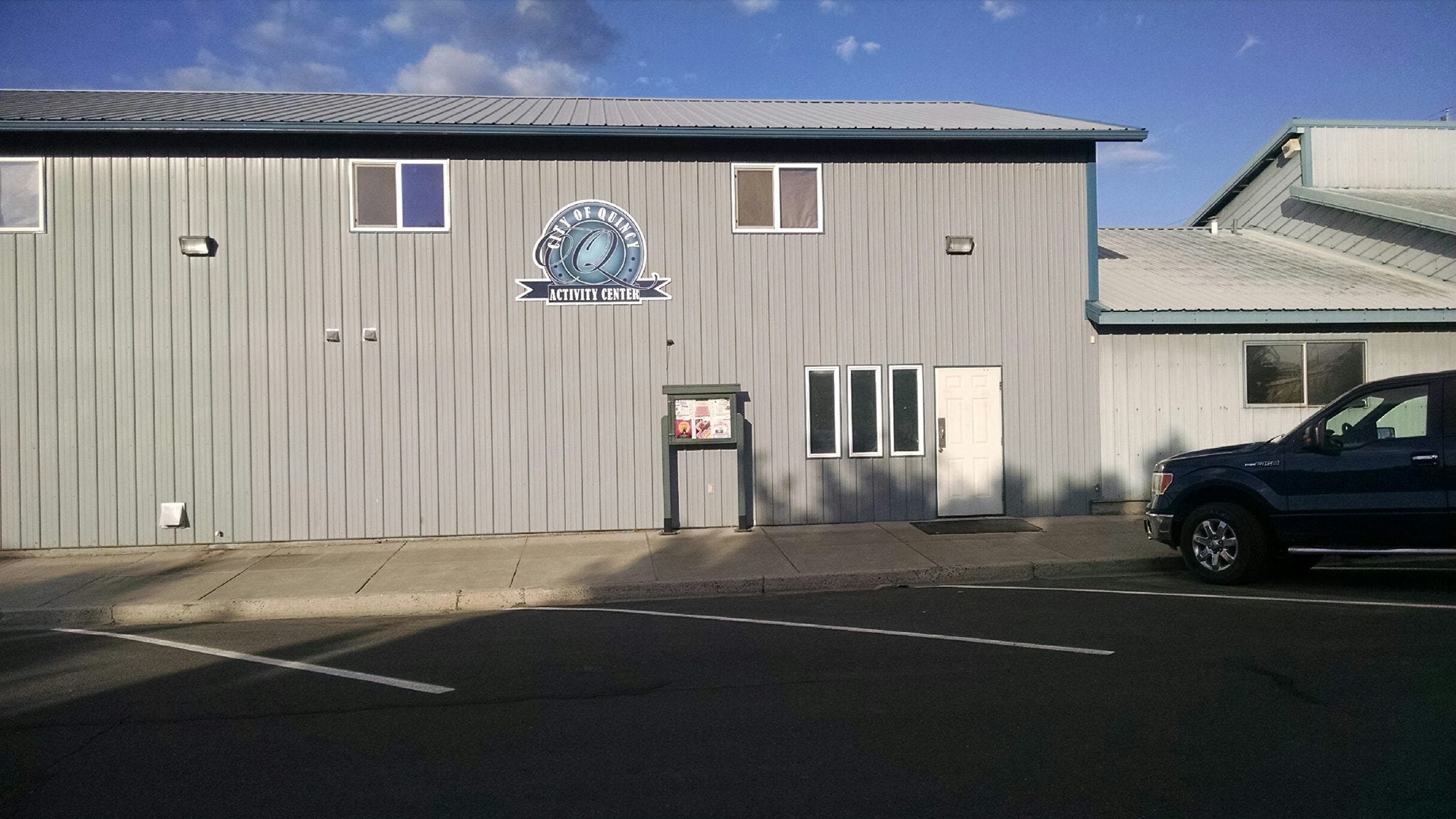
If you’ve lived in Quincy for any length of time, you’ve felt it: the pace is picking up. New families. New construction. New ideas. And right alongside all of that growth is a question we don’t always stop to ask:
What does it look like to keep a town fun, healthy, and connected while it’s expanding this fast?
I sat down with Russ Harrington, Director of the Quincy Recreation Department, to talk about what “success” looks like in 2026 and beyond—what’s coming, what’s returning, what’s still being figured out, and where the community can step in to help. I’ll be attaching the full audio and full transcript separately, but below is a cleaned-up, easier-to-read version of our conversation using Russ’s words directly.
“The biggest, brightest, shiniest star…”
The Full Uncut Audio Interview with Rec Director Russ Harrington
When I asked Russ what success looks like for the Rec Department in 2026, he didn’t hesitate.
“Probably the biggest thing that I can think of that most people are gonna notice… it’s gonna be the brand new pool.”
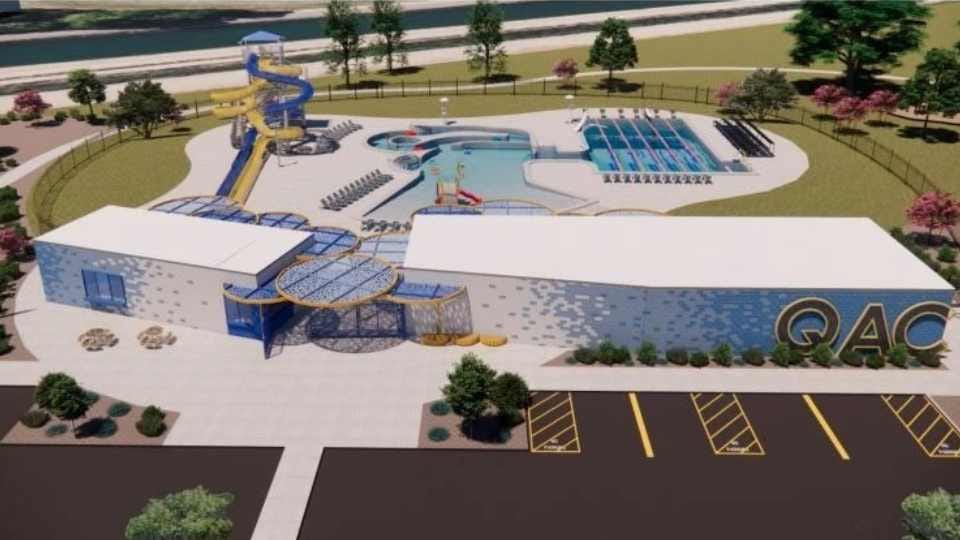
It’s been years in the making.
“For the last three years we’ve been working on design work and getting to the point where it’s like finally pull the trigger and get it going, get it built.”
And Russ believes this isn’t just a replacement—it’s a regional draw.
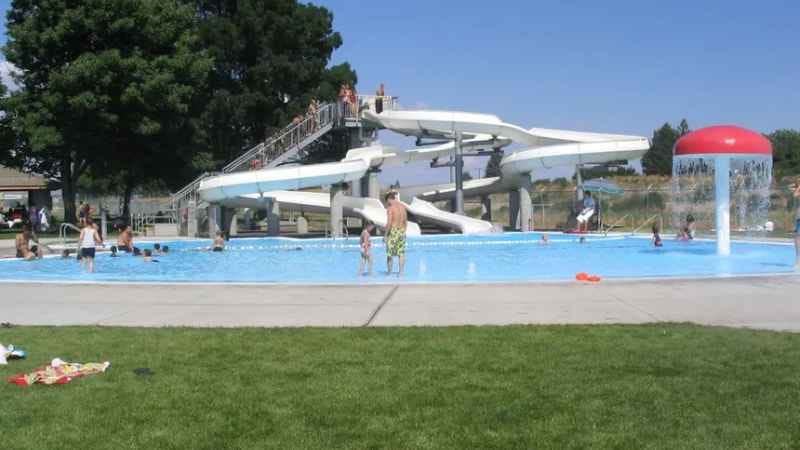
“It’ll be the newest aquatic center in Central Washington.”
He pointed to similar recent builds in Cheney and Yakima, but noted they’re a drive for most families. Here, Quincy is putting something remarkable in its own backyard—something he expects will bring people into town as word spreads.
“This will be a beacon of seasonal pools in our area, I think, and I’m gonna guess we’re gonna draw a fair number of people in the next coming years as they see what we have.”
And it isn’t just “a pool.” It’s the details that make it feel like an upgrade.
“We’re gonna have a huge kid’s toy… three water slides itself coming off of the kids’ toy.”
“A climbing wall in the deep end.”
“A small little rope swing in the deep end.”
“We’ve got a diving board back in town.”
“The water slide tower… three different styles of water slides.”
Russ described it with the kind of enthusiasm you can’t fake—especially when he got to the kid-zone splash feature.
“You know the big water dumpers like you see filled with slime on Nickelodeon? There’ll be like… a bucket that drops water off the top and sprays and splashes everybody.”
The missing piece: what happens when it gets cold?
I told Russ something I’ve said many times since moving here: I was shocked Quincy already had an aquatic center when we arrived. It felt like a city decision made with real foresight.
Russ agreed—and pointed to what’s next for the colder months: the indoor sports complex being developed by the Quincy Valley Municipal Parks District.
“That’ll be coming with the indoor sports complex… they should be starting to break ground… probably a year from now.”
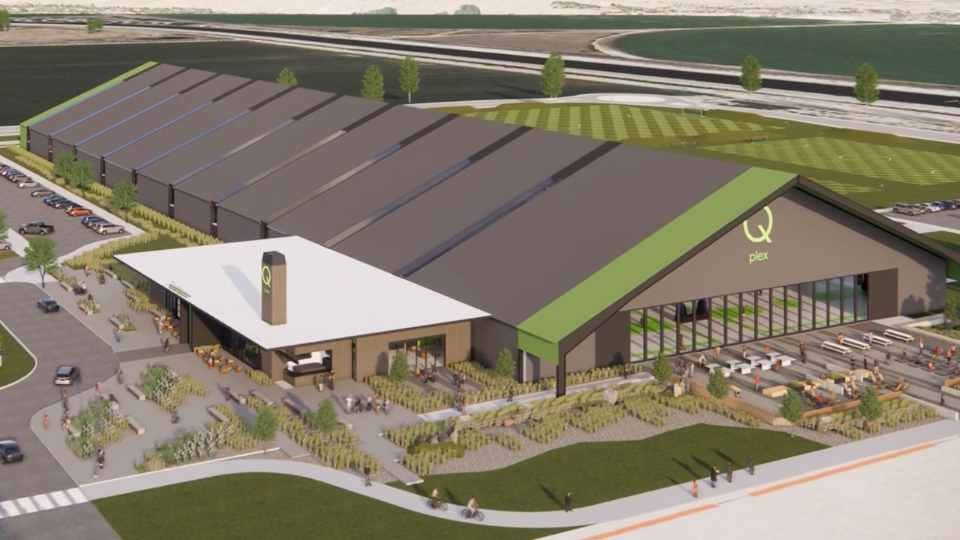
He described a facility designed for flexibility—built to host multiple sports and events depending on the season and need.
“The redesign now calls for four full-sized basketball courts that can turn into eight… eight volleyball courts could turn into 16 pickleball courts.”
And it’s not just courts.
“A roughly three-quarter size soccer field… fully enclosed with plexiglass sides… and netting all around it.”
“Potentially options for batting cages drop down from the ceiling.”
“There will also be a walking track… a two or a three lane walking track.”
Russ summed up the timeline this way:
“We’ve got the summer covered with the new pool… and by late 27, early 28, there’ll probably be the indoor facility… ready to kick off and rolling.”
He also made something crystal clear—because people ask him constantly:
“The Parks district is separate from the city… they’re the ones working on designing the indoor sports complex. I always get a lot of questions about that.”
If you want the most accurate updates, Russ says there’s a simple way to get them:
“Everybody needs to show up to the meetings to find out what’s going on… straight from the horse’s mouth.”
He acknowledged the reality (because we all feel it):
“After I’ve been in meetings all day… going to another meeting… those aren’t always what I wanna do.”
But he still believes showing up matters—especially as projects like this get closer to breaking ground.
New programs, old favorites, and some “let’s try it” ideas
One thing that comes through fast with Russ: the Rec Department isn’t just focused on facilities. They’re trying to build experiences.
Some of what’s coming is brand new—made possible by the upgrades at the pool.
“We actually wanted to try and do some movies in the pool this summer.”
And yes, there are already movie ideas being talked about.
“She’s talking Shark Tales… and… a teen movie… like watching Meg or something like that in the pool.”
There are also older community favorites that may be making a comeback.
“We want to bring back the cardboard boat regatta… everybody had a great time… pretty much they all sank.”
Russ also talked about a new concept that fits Quincy’s layout perfectly—the pool right next to the pump track creates a natural starting point.
“We’ve got a kids triathlon that we’re gonna try and do with the new pool going in right next to the pump track.”
And then there’s the kind of community event that’s less about competition and more about getting outside together:
“We’re gonna bring back our doggy fun run… it’s not an actual timed race… it’s more of a fun race to do with your four-legged friends.”
But one of the biggest “new” events Russ mentioned comes through a partnership—something Quincy hasn’t seen in a while.
“They wanna do a kids and kites festival with us out at Lozier Park… April 25th.”
The plan?
“If we get 500 kids out there, they can all get a free kite.”
And possibly even a show.
“They’re looking at bringing in some professional kite flyers and stunt kites… and try and have a fun family festival day.”
Growth without duplication
With Quincy growing quickly, I asked how the Rec Department responds without stepping on toes or reinventing the wheel.
Russ said they watch what other groups are doing and try not to compete against strong local programs.
“We try not to double up on programs… there’s no need to compete against that when you’ve got somebody that’s doing something great.”
He pointed to examples like youth basketball and wrestling—both thriving community programs—where the best move is to support and not duplicate.
“There’s no need for anybody else to put on a wrestling program… when those guys are doing a great job at it.”
Instead, they keep a close eye on what’s working across the region.
“We’re always watching… Moses Lake, Wenatchee, East Wenatchee… everybody in our area and similar towns and our size.”
And sometimes, even with experience and planning, it’s still trial and error.
“Sometimes it feels like throwing darts at a wall to find what program’s gonna stick well.”
The underserved age group: “that middle school, high school…”
When I asked which group needs more attention in Quincy, Russ didn’t dodge it.
“Probably that middle school, the high school age group… not everybody plays sports.”
He talked about the gap that exists when kids are old enough to want independence—but not old enough to drive themselves to options that aren’t in town.
“They don’t wanna stay home all the time, but they don’t have a car to go anywhere… so they’re walking around town and who knows.”
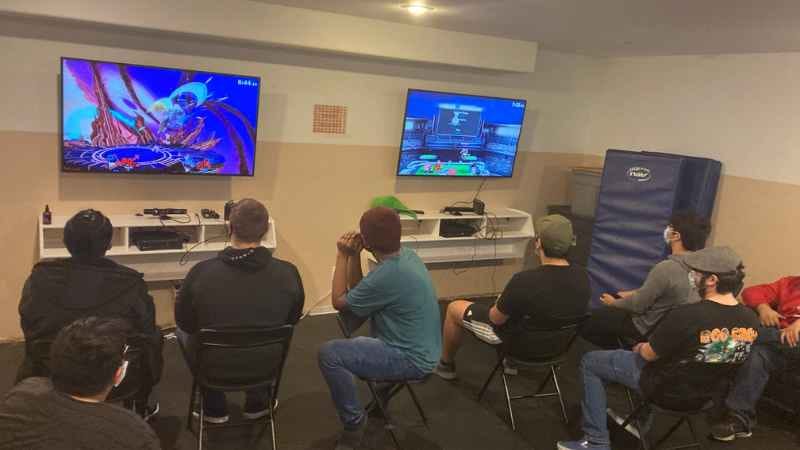
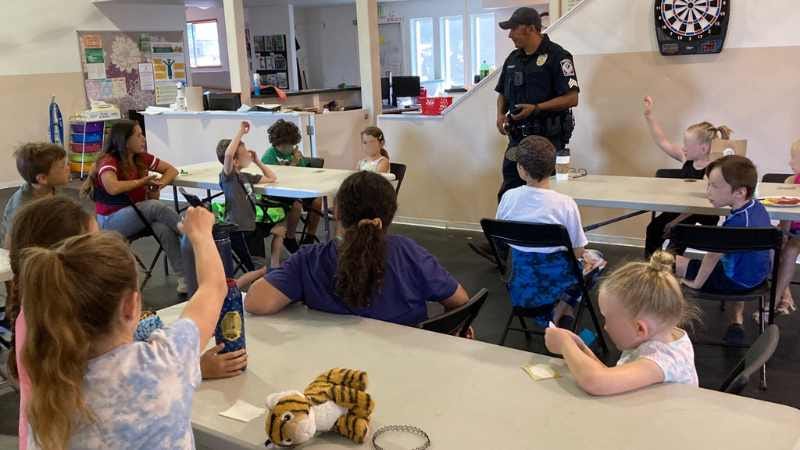
That’s part of why they created Teen Nights.
“Trying to open up the building here… Friday night… come hang out for a while.”
And it’s grown enough that they made it consistent.
“We decided we’ll just do it every Friday… pretty much every Friday all year round now.”
They’re seeing participation, but they’d like to see more.
“We’re getting five to eight to 10. We’d love to see 15 or 20 in here every week.”
Feedback, community info, and the “survey fatigue” problem
Russ also explained how they gather input—especially in a town that’s been surveyed a lot.
“Quincy gets a lot of surveys… and we’ve heard that from people: ‘I don’t wanna do another survey.’”
So a lot of it comes down to being present, listening, and responding directly to what people ask for.
“You gotta listen to people when you’re out… getting feedback after a program.”
He gave a strong example of that in action with adult volleyball:
“That was from a group of community members that asked us if we could do that again… and they’ve been getting anywhere from 12 to 17 people.”
And he shared a sneak peek:
“We’re gonna try and bring a four on four tournament… a four v four co-ed volleyball tournament… in April… start off small… hope for 10 or 12 teams.”
The old pool site is becoming something new
One of the most interesting parts of the conversation was what happens to the area around the old pool.
Russ described the long-term vision:
“The plan is to re-irrigate that, re-landscape it… eventually we’ll put a walking trail through there… and we just wanna open that grass up for more passive play.”
And the scale of the change is hard to picture.
“Everything that we know in there right now between parking lot and pool is gonna be grass… that’s a lot of park area.”
He’s hopeful that demolition, planting, and irrigation timing will allow growth to start early—so it looks and feels like a real park sooner rather than later.
“Hopefully we’ll have half a summer… to get some growth… and open that park up next year for a really big landscaped area.”
“Come in and talk to us.” How to support Quincy Rec
One of the most practical answers Russ gave was to a question we should probably all ask more often:
How can community members actually help?
His answer was simple:
“Best way is: come in and talk to us… send us an email… call us.”
And he gave good guidance for how to make those conversations productive.
“Have an idea of what you’re saying… not just ‘you should do this’… is there someplace that you’ve been that we can look up?”
Because behind every program is a pile of logistics people don’t see:
“It’s not just as easy as ‘we’ll just do this.’ There’s a lot of background behind everything… equipment… scheduling… facilities.”
But if you show up with a willingness to help, he says they can absolutely plug you in.
“We can definitely find something to do… we’ve gotten very few people that come in and say, ‘I just wanna help. What can I do?’ We’d love to have somebody come in and do that.”
And Russ made it clear that volunteering doesn’t always mean you’re just “helping with what exists.” Sometimes, it could mean helping build something new.
“Maybe we design something new that you’re interested in… I’ll just try and ask somebody what they wanna do… what your skills are… what do you have a passion for… and then we can try and figure some program out from there.”
What excites Russ most about Quincy’s future
To close the conversation, I asked Russ what excites him most about where Quincy is headed.
He started with the obvious anchors:
“The pool… I’m excited to see that open this summer. The plex… that’s gonna be another great addition.”
But he also highlighted something that will be here even sooner:
“The new splash pad going in up by the animal shelter… that’ll be open this spring… hopefully Memorial Day weekend.”
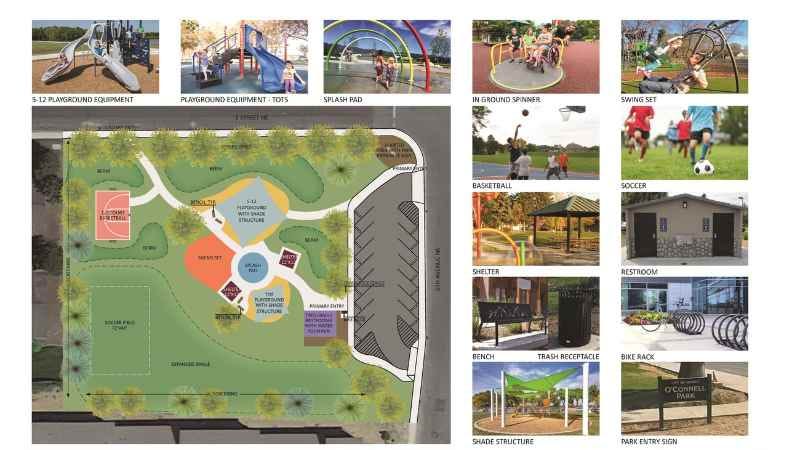
He described that park buildout with real excitement—especially for older kids too.
“One of the climber toys is… 16 feet tall… splash pad, new gazebos… there’s a little half pipe for skateboards out there as well.”
Beyond that, Russ talked about the bigger infrastructure picture—parks, ball fields, roads, and walkability.
“The new ball fields… the new roads… alleviating traffic… having multiple ways in and out… that’s gonna be great.”
And one project that would matter to a lot of walkers, runners, and families:
“We’re hoping to get a walking trail from… along the West Canal… all the way up to East Park… almost a two mile walk.”
Russ summed it up with a line that feels like the theme of this entire interview:
“Within the next five to seven years, there’s a lot of stuff that’s gonna be growing up… within that Parks and Rec community here in Quincy.”
Some Final Thoughts
Quincy is growing—fast. That comes with challenges, but it also comes with momentum, opportunity, and (if we do it right) a stronger sense of community instead of a weaker one.
What I appreciated most about this conversation with Russ is that it wasn’t just “big projects.” It was the mix of shiny new facilities, old favorites coming back, and the honest reality that building great programs sometimes looks like “throwing darts at a wall” until you find what sticks.
If you want to be part of it, Russ made it simple:
“Come in and talk to us.”
And if you’ve got time, ideas, or skills you want to bring into Quincy—there might be a place for you in what’s coming next.
(Full audio + full transcript attached to this post.)
