
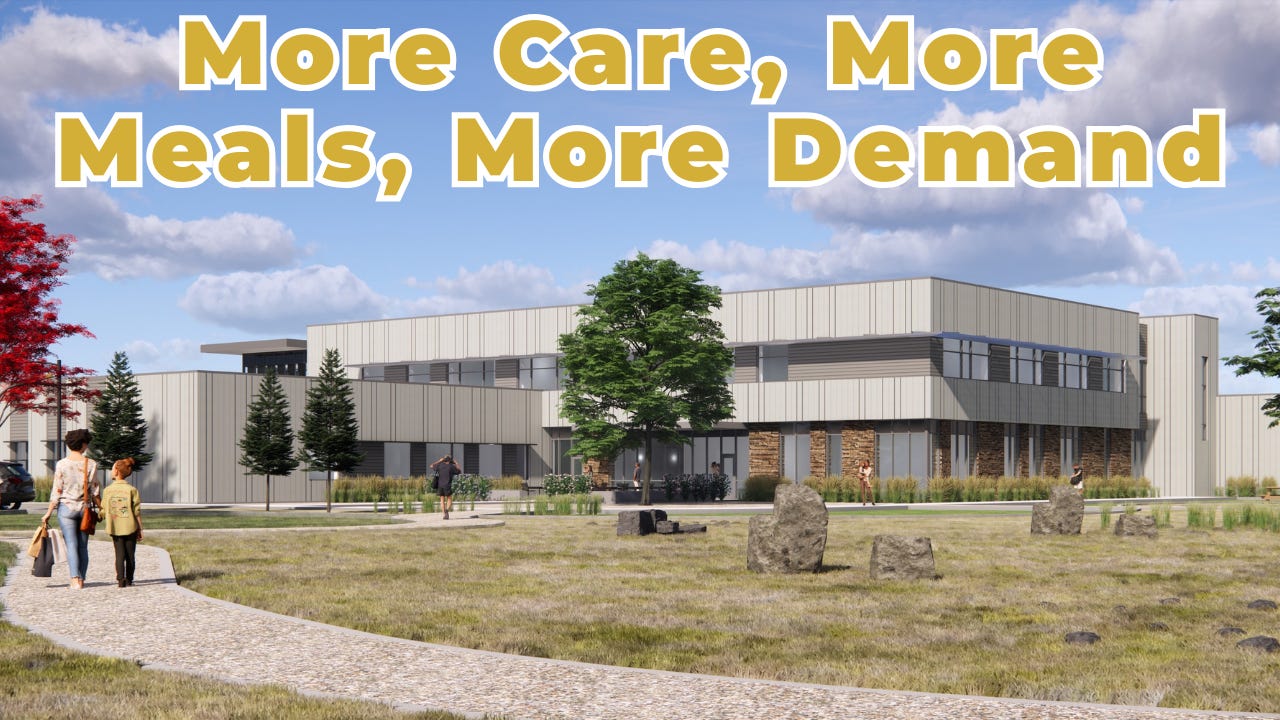
QUINCY — One of the questions I’ve heard more than once over the past year is simple and fair: “Did we really need a new hospital?”
It’s a reasonable question. Building a new medical center is a major investment for a community our size. It’s natural to wonder whether the demand is there.
After sitting through this month’s Quincy Valley Medical Center commissioner meeting, one thing became clear: the new facility isn’t waiting to be needed.
It’s already busy.
January is typically considered one of the slower months in healthcare. The holidays are over. Winter weather keeps some people home. Historically, it’s not the month you circle as a high-water mark.
But the numbers this January tell a different story.
A Simple but Telling Indicator
One of the most unexpected proof points came from a place most people don’t think about when discussing hospital utilization: the kitchen.
In January of last year, the hospital served 471 meals.
This January, that number jumped to more than 1,000.
That’s not a rounding error. That’s more than double.
Meals represent patients staying longer for care, swing bed services, inpatient admissions, and extended treatments. It’s one of those quiet metrics that doesn’t get headlines but tells you whether beds are being used and whether care is happening here at home.
You don’t serve a thousand meals in a month in an empty hospital.
Services Growing Across the Board
Dietary wasn’t the only area showing movement. During the meeting, administrators shared that patient numbers, treatments, and services have increased across multiple departments — and that’s happening during what is typically considered the slower season.
Wound care continues to handle complex cases locally. Physical therapy remains active. Emergency services are steady. Specialty services, including infusion under the wound care umbrella, are building their patient base.
It’s important to understand what that means in practical terms. Every appointment that happens in Quincy is one less drive to Moses Lake, Wenatchee, or beyond. Every procedure done here keeps families closer to home. Every admission that stays local keeps support systems intact.
That was one of the core promises behind building the new facility: keep more care here.
The early indicators suggest that’s happening.
A Facility Built for Today’s Reality
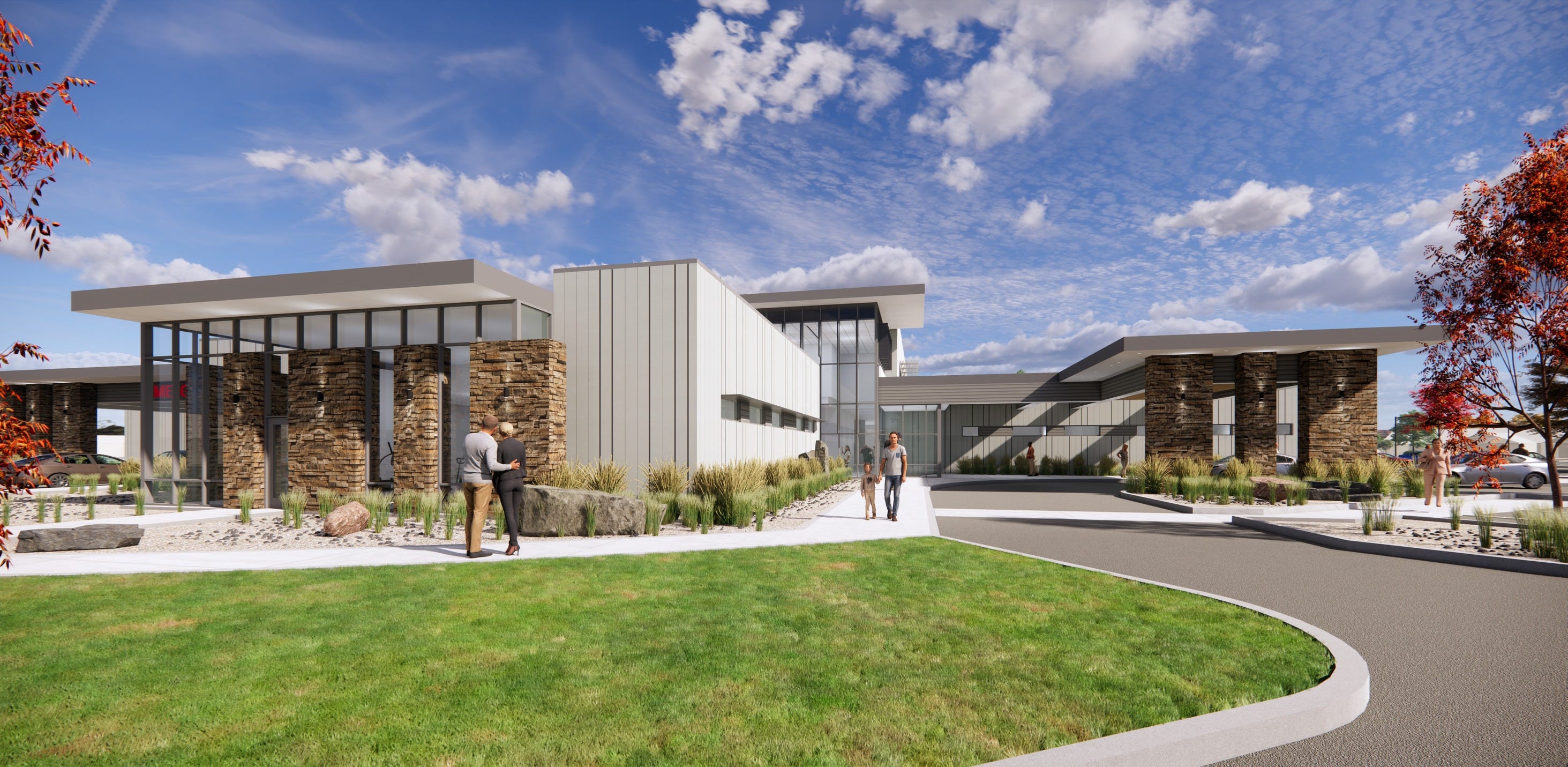
The new Quincy Valley Medical Center wasn’t just built because the old one was aging — though it was. It was built to handle modern healthcare delivery.
Private rooms. Updated surgical spaces. Expanded outpatient capacity. Improved emergency department flow. Infrastructure designed for today’s technology and compliance standards.
When a facility is designed well, it removes friction. It allows departments to function more efficiently. It creates space for services to expand.
That kind of environment doesn’t automatically create demand — but it does make it possible to meet it.
And the demand is showing up.
Not Just New — Necessary
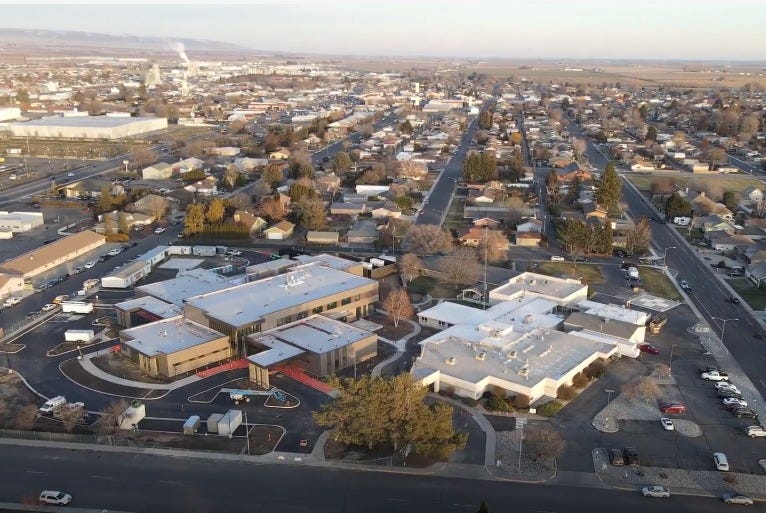
It’s easy to look at a beautiful building and assume it might be oversized for a small community.
But numbers don’t lean on appearances.
Serving more than 1,000 meals in a slow month isn’t theoretical. Increased patient volume across departments isn’t aspirational. It’s measurable.
It’s also worth noting that this growth is happening while the hospital is navigating the normal realities of billing cycles, insurance processing delays, and the seasonal dips that healthcare facilities expect every winter.
In other words, this isn’t happening in peak flu surge. This is happening during a time that’s usually quieter.
A Community Using Its Hospital
The most encouraging part of the meeting wasn’t just the numbers. It was the tone.
Staff aren’t talking about filling rooms for the sake of it. They’re talking about workflow improvements, physician and nursing collaboration, and making sure care is delivered well. They’re focused on doing it right, not just doing more.
But the fact remains: more is happening.
And that speaks directly to the original question.
Did Quincy need a new hospital?
If the early months of operation are any indication, the answer isn’t theoretical.
People are using it.
Care is happening here.
Meals are being served.
Beds are occupied.
Families are staying closer to home.
For a small town that fought to maintain strong local healthcare, those are meaningful signs.
We didn’t build this facility to sit quietly.
It’s already proving its purpose.