
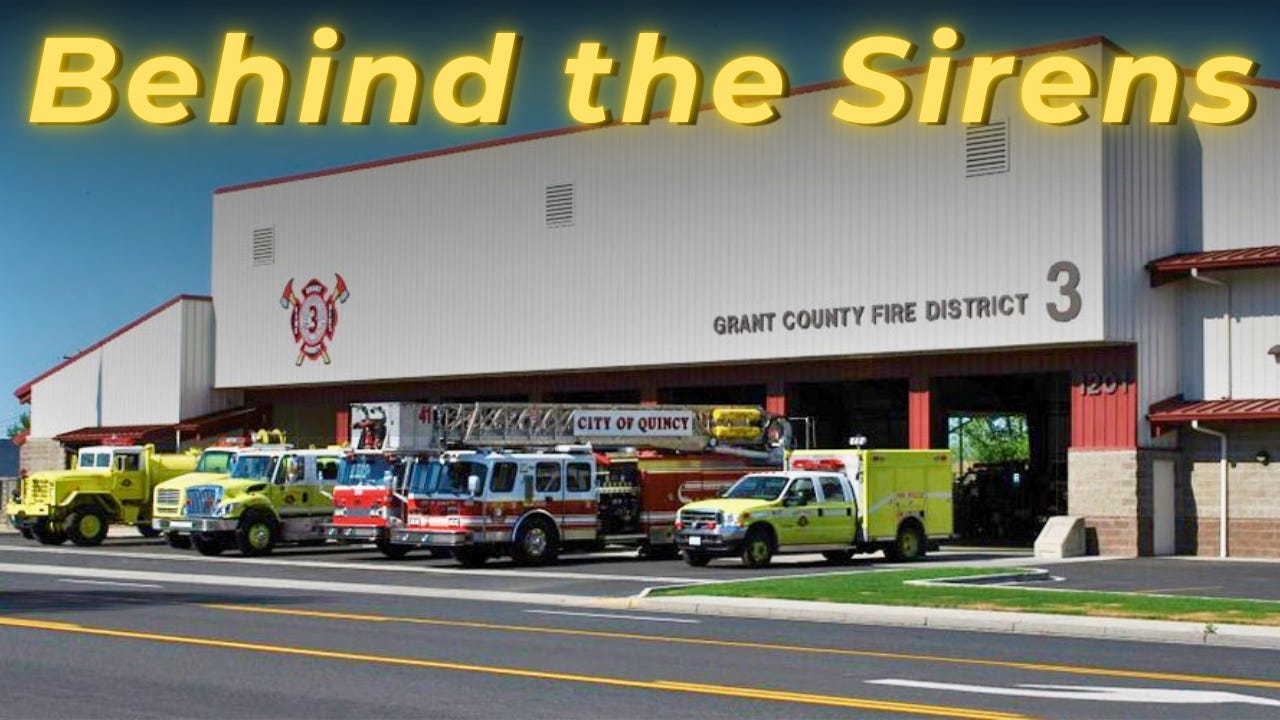
Most of us don’t spend much time thinking about the fire district until something goes wrong.
A siren cuts through town. An ambulance moves faster than everything else on the road. Smoke shows up where it shouldn’t.
That’s when it matters.
But at the April meeting of Grant County Fire District 3, it became clear there’s a lot happening behind the scenes right now and it’s being shaped by something everyone in Quincy can see: growth.
Chief David Durfee, who many of you know and have seen around the community for years, spent much of the meeting walking through where the district is and where it’s headed. The tone wasn’t reactive. It was steady and intentional. The district isn’t waiting to be overwhelmed. They’re working to stay ahead of what’s coming.
TL;DR
Quincy is growing, and emergency call volume is rising with it
Fire District 3 handled 74 calls in March, with 35 inside city limits
A new EMS contract ensures 24/7 ambulance coverage, with increased cost
The district is moving from planning into implementation on staffing and systems
New technology, including Starlink, is being deployed to improve communication
Despite lower tax revenue, the district is continuing to invest in equipment and readiness
Growth Is Showing Up in Real Numbers
You don’t have to look very hard to see that Quincy is growing. You can feel it in the traffic at certain times of day, see it in the steady work happening along 3rd and 13th, and notice it in how quickly new areas are filling in around the edges of town.
That growth isn’t just something you see; it’s something the fire district is responding to every day.
In March alone, Fire District 3 handled 74 calls for service, with 35 of those happening right inside the City of Quincy. That’s nearly half of their total call volume centered in town, even though their responsibility stretches well beyond city limits across the 98848.
When you put that into perspective, it starts to tell a clear story. Quincy isn’t just expanding outward, it’s getting busier at its core. More people, more homes, more activity throughout the day and all of that naturally leads to more calls for help when something goes wrong.
It’s not dramatic, and it’s not unexpected. It’s just the reality of a community that’s growing, and a fire district that’s seeing that growth show up in real time.

Strengthening EMS Coverage
One of the most important decisions in the meeting was final approval of a new EMS contract aimed at strengthening ambulance coverage.
The agreement supports:
24/7 Advanced Life Support (ALS) coverage
24/7 Basic Life Support (BLS) support
There is a cost increase tied to the agreement, something the commissioners addressed directly, but the priority was clear: reliable emergency medical response isn’t optional in a growing community.
This is about making sure that when the call comes in, someone is ready to respond, every time.
From Planning to Action
Over the past several months, a lot of the work inside Fire District 3 has been happening behind the scenes. Meetings, discussions, input from staff, reviewing how things are currently done and where the pressure points are starting to show. The kind of work most people never see, but that shapes everything that comes next.
Now that process is starting to shift.
At the meeting, Chief Durfee shared that the district is moving out of that planning phase and into the next step, actually setting goals and putting those plans into motion. That includes taking a closer look at staffing, especially on the EMS side, and making sure the way the district is structured matches what’s really happening out in the community today.
Because the reality is, Quincy today isn’t the same Quincy it was even a few years ago.
What this represents is a transition. Less talking about possibilities, more deciding on direction. Less evaluating, more building toward something specific. It’s the point where planning turns into action, and where the decisions being made now will start to show up in how the district operates moving forward.
Upgrading How Crews Communicate
Some of the most immediate changes are happening on the technology side.
The district is currently working on:
New radios and pagers
Starlink satellite systems on multiple apparatus
Expanded communication coverage in areas like Monument Hill
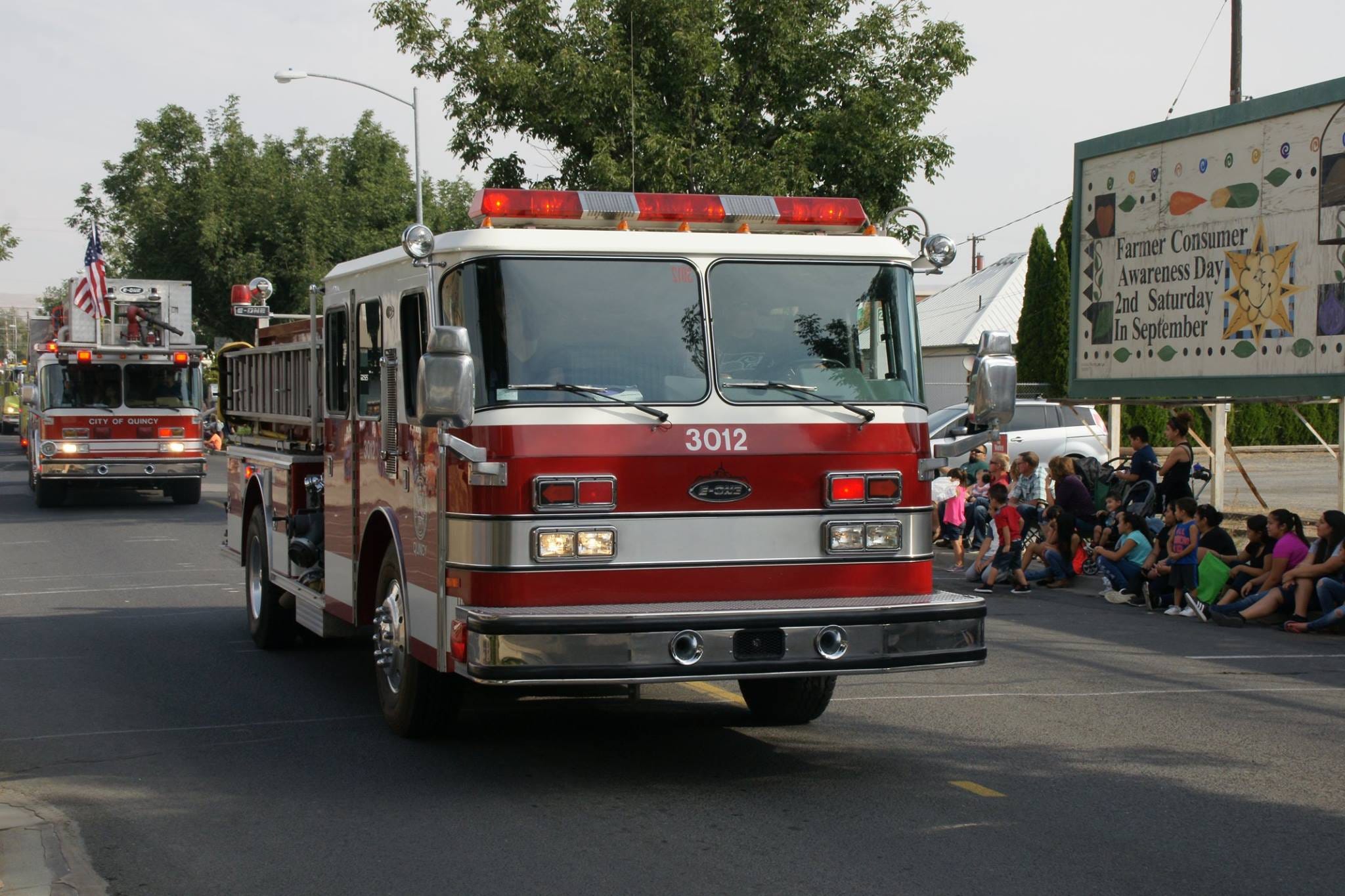
Chief Durfee shared that the district is in the middle of rolling out upgrades that include new radios, new pagers, and the installation of Starlink satellite systems on multiple pieces of apparatus. In total, they’re working toward outfitting around 11 units with this enhanced capability, along with onboarding crews on how to use it effectively.
On the surface, that might sound like a technical upgrade. In reality, it’s something that directly affects how well a response comes together when seconds matter.
In a district like ours, there are still areas where radio and cellular coverage drop off places like Monument Hill and other rural stretches where communication isn’t always reliable. When crews are responding across a wide area like the 98848, those gaps can create real challenges. Coordination between units, updates from the scene, communication with dispatch, all of it depends on staying connected.
What this upgrade does is give crews another layer of reliability. With satellite-backed communication, they’re not as dependent on traditional coverage alone. It means better coordination between responding units, clearer communication during incidents, and fewer moments where crews are operating without full visibility of what’s happening around them.
It also shows something about how the district is thinking. They’re not just reacting to problems as they come up. They’re identifying where the weak points are, like communication dead zones and investing ahead of time to fix them.
For most of us, it’s something we’ll never see directly. But it’s one of those behind-the-scenes improvements that makes a real difference when the call comes in and everything needs to work the way it’s supposed to.
Readiness Is Being Tested in Real Time
Training is one thing. Real calls are another.
During the meeting, Chief Durfee talked about a couple of recent structure fires the district responded to, calls that gave crews the opportunity to put their training into action. He referred to them as “bread and butter” fires, not because they were small or insignificant, but because they’re the kind of incidents firefighters train for over and over again.
“Those were bread and butter fires… we could actually use our skills on.”
Moments like that matter more than most people realize.
They’re where preparation meets reality. Where systems get tested, communication gets challenged, and crews have to rely on each other to do the job right. And just as important, they’re followed by review—looking at what worked, what didn’t, and where things can be tightened up next time.
It’s a reminder that readiness isn’t something the district talks about once a year or checks off a list. It’s something that’s built, tested, and refined every time the tones go out.

Adjusting Without Slowing Down
The district is also navigating a financial adjustment after updated numbers from the county showed lower-than-expected property tax revenue.
That required a budget amendment.
But even with that change, the district is continuing forward with planned equipment purchases, including fire engines, and setting aside reserves.
“We’re still able to make those purchases.”
That balance, adjusting to reality without pulling back on preparation, is part of staying ahead in a growing community.
What This Means for You
If you live in Quincy or anywhere in the 98848, this meeting wasn’t just about policies or paperwork.
It was about response times. It was about whether crews can communicate clearly in areas with weak signal. It was about having enough trained people available when multiple calls come in at once.
It was about whether the system is being built for where Quincy is going, not just where it’s been.
The decisions made in this meeting directly affect how quickly help gets to you and how well that response is coordinated when it matters most.
Quincy has always been the kind of place where people look out for each other, and that includes the people who show up on our worst days.
What came through clearly in this meeting is that Chief Durfee and the district aren’t just maintaining what’s been built here. They’re paying attention, making adjustments, and putting the pieces in place to keep up with a community that’s changing in real time.
And if you’re paying attention, you can see it happening right now.