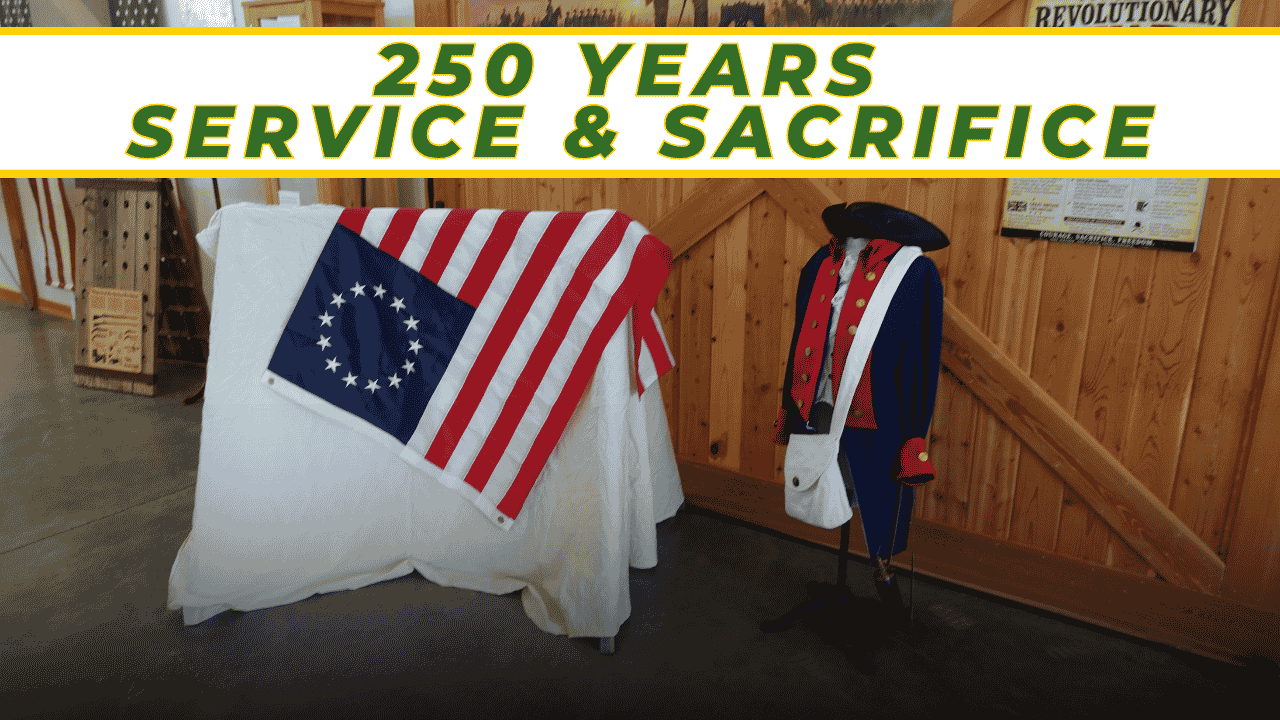
Walking into the Quincy Valley Historical Society & Museum’s America 250 in Uniform exhibit is almost overwhelming. Military uniforms representing generations of American service stand alongside weapons, equipment, photographs, letters, and personal belongings. The walls are covered with historical information and the faces of veterans, including men and women from the Quincy Valley whose names and families are familiar to many of us.
The exhibit spans approximately 250 years of American military history, from the conflicts of colonial America through the Revolutionary War, Civil War, two World Wars, Korea, Vietnam, Desert Storm, Iraq, and more recent global conflicts. It is an impressive amount of history gathered into a relatively small space, but what makes the collection remarkable is not simply the artifacts. It is the people represented by them, and the opportunity to connect events that shaped our nation with the individuals who experienced them.
I visited the museum Friday, October 23, at the invitation of Harriet Weber, who had invited me to observe a group of Quincy High School history students experiencing the exhibit. What I found was one of the most moving historical displays I have encountered, made all the more meaningful by the opportunity to hear from people who could explain the stories behind the objects.
TL;DR
250 Years of History: The Quincy Valley Historical Society & Museum’s America 250 in Uniform exhibit explores American military history through uniforms, photographs, equipment, correspondence, and personal stories.
Local Connections: Photographs and biographies of Quincy Valley veterans connect major military conflicts with families and individuals from our own community.
History Brought to Life: Don Nutt, Joe Westby, Kellie Yates, Heidi Manly, and Harriet Weber helped interpret the displays during Friday’s educational program.
Students Experience History: Six Quincy High School history students attended the program, providing an opportunity to examine historical artifacts and learn about military service beyond the classroom.
Visit the Exhibit: Open Fridays and Saturdays from 1–5 p.m. through November 7, with a special Veterans Day remembrance November 11 from 10 a.m.–2 p.m.

A Nation’s History Told Through Its Soldiers
The United States was born out of conflict, and military service has been part of the American story since before there was a United States. Long before the Declaration of Independence, the British colonies were involved in struggles over territory, trade, and competing European powers. Those conflicts eventually gave way to the Revolutionary War and the establishment of a new nation.
The museum’s exhibit follows that history across generations, showing how military service, equipment, and warfare have changed over time. The uniforms alone tell part of that story. From the clothing and equipment of early American soldiers to the increasingly specialized gear of modern military personnel, the differences are striking. Yet the human experience behind those uniforms remains remarkably familiar.
Throughout the exhibit, informational displays explain the conflicts, their historical settings, and the people involved. Visitors can examine photographs of military units, individual portraits, weapons, tools, correspondence, and other objects that help place those events in context.


There is something different about standing in front of a uniform or reading a letter written by someone serving far from home. History becomes less abstract when you are looking at the things people carried, wore, or sent to their families. These objects remind us that the names in our history books belonged to individuals who experienced the uncertainty, hardship, and sacrifice of military service.
The exhibit also accomplishes something that larger historical presentations sometimes struggle to do. It brings the national story back to the community where we live.
The Familiar Faces on the Walls
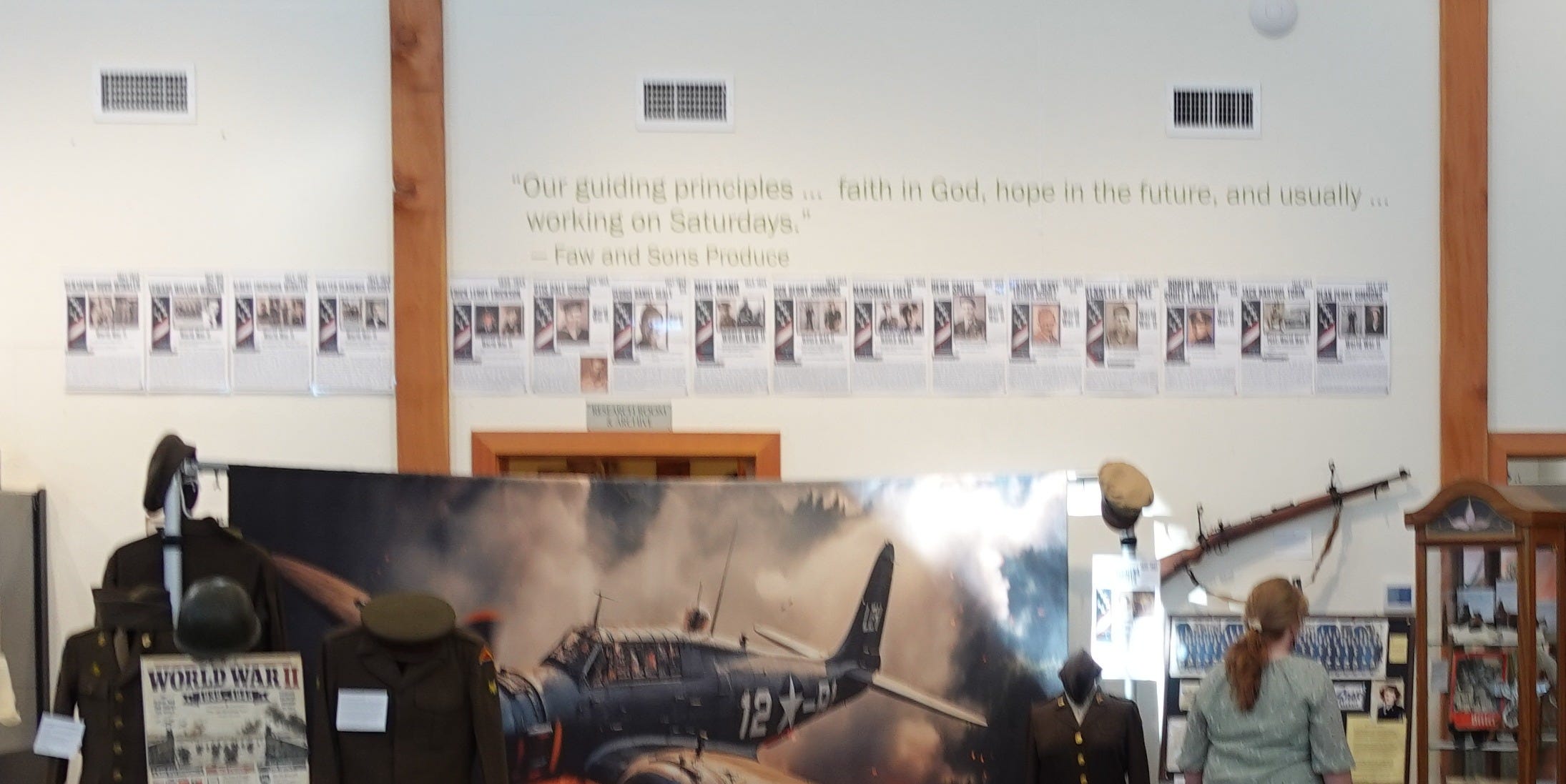
One of the first things that caught my attention was the number of local veterans represented throughout the exhibit. Their photographs and brief biographies appear on the walls, positioned among the larger historical displays.
As I walked through the museum, I recognized several faces. Two of the veterans pictured are friends of mine, and I recognized others from around the community. Seeing familiar people represented alongside the broader history of American military service changes how you experience the exhibit. These are not simply names from a distant battlefield or photographs from a history book. They are our neighbors, friends, family members, and people we encounter in everyday life.
The displays also brought my own family’s military history to mind. My family’s roots in America reach back to the Mayflower, and generations of men in my family have served in this country’s conflicts. My brothers served, as did my father, grandfather, great-grandfathers, and ancestors stretching back through the earliest years of colonial America. Had my family settled in the Quincy Valley generations ago, their photographs and stories might have been among those displayed on the museum walls.
That personal connection is part of what makes this exhibit so powerful. Many families in the Quincy Valley have similar histories of military service, whether that service took place generations ago or within the past few years. The people represented here are part of the same national story as my family, and the families of countless other Americans.
National history can tell us when wars began, why they were fought, and how they ended. Local history helps us understand who went, what they experienced, and how their service became part of the communities they eventually returned to. Some came home and built families, businesses, and careers. Others carried the physical and emotional consequences of their service for the rest of their lives. Still others never returned.
The photographs on the museum walls remind us that military history is ultimately human history, and that the people who lived it are not nearly as distant from us as we sometimes imagine.
Bringing History Out of the Textbooks
Friday’s program offered visitors an additional opportunity to understand the exhibits through the people helping interpret them.
Don Nutt, an artist and historical reenactor, was present to discuss the earlier periods of American history, including the colonial era and the Revolutionary War. His participation helped provide context for the experiences of soldiers whose lives were dramatically different from those serving in today’s military.
Joe Westby, a Quincy police officer and Marine Corps veteran, was also there to share his experiences from Operation Iraqi Freedom, including his service during the first Battle of Fallujah. Having someone who experienced modern combat available to speak about military service adds a dimension that photographs and written descriptions cannot fully provide.
Kellie Yeates, Heidi Manly, and Harriet Weber were also present to help explain the displays and the stories behind them.


The exhibit guide includes examples of ordinary soldiers whose experiences help explain the larger conflicts in which they served. It begins with Revolutionary War soldier Joseph Plumb Martin, whose account of the Continental Army’s winter hardships describes men struggling with inadequate clothing, food, and shelter while remaining determined to continue serving.
Other sections introduce visitors to the Civil War, the western campaigns, the Spanish-American War, the World Wars, Korea, Vietnam, Desert Storm, and more recent military operations.
The exhibit does not limit itself to generals, presidents, and famous battles. It asks visitors to consider the experiences of the individuals who served, including people whose names may be largely unknown outside their families or communities.
That distinction matters. Military history is often taught through dates, campaigns, political decisions, and battlefield outcomes. Those details are important, but they represent only part of the story. The experiences of individual service members and their families provide another perspective on what those events meant.
An Opportunity for the Next Generation
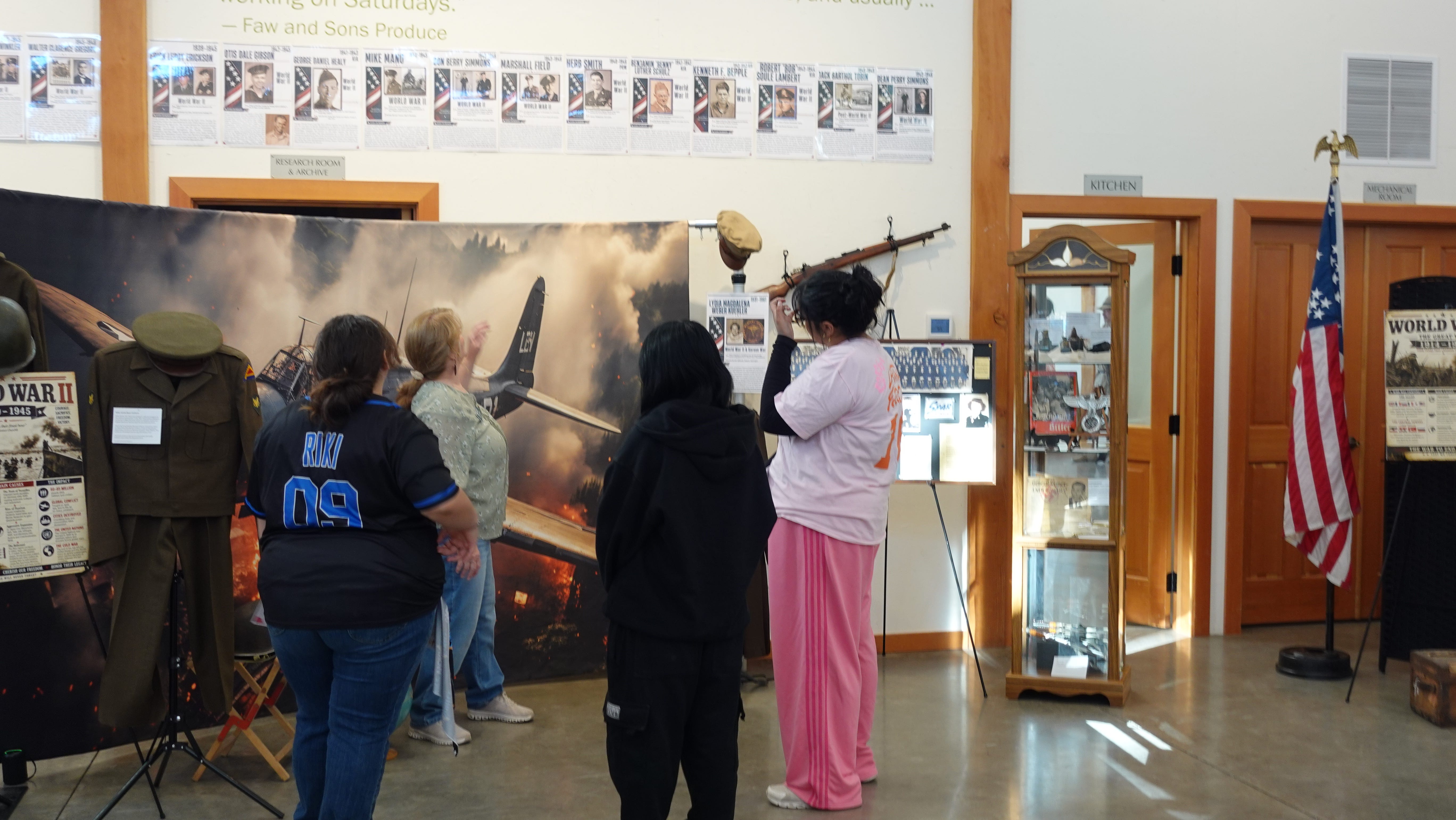
One of the reasons Harriet Weber invited me to visit Friday was the opportunity to observe Quincy High School history students experiencing the exhibit.
Six students attended the program.
I understand that a considerably larger group had originally been anticipated, and I was disappointed that more students were not able to participate. With the exhibit assembled and several knowledgeable people available to explain it, this was an educational opportunity that deserved a much larger audience.
There is a difference between reading about the Revolutionary War or the Iraq War in a classroom and standing in front of objects connected to those events while hearing from someone who can explain their significance. For students growing up in the Quincy Valley, there is an additional benefit. They can discover that people from their own community have participated in the events they study in American history.
The museum’s exhibit guide encourages visitors to think beyond the dates and artifacts. It asks what has changed about being a soldier over the past 250 years and what has remained the same. It also challenges visitors to consider what they would preserve from the exhibit to share with students another 250 years in the future.
Those are questions worth asking in a history classroom, but they are equally valuable for adults. The guide goes further, raising questions about the meaning of honorable service, the responsibilities a nation has toward those it sends to war, and whether advances in military technology have necessarily made warfare more humane.
These are not always comfortable questions, but they are important ones. Understanding history requires more than remembering victories. It also requires examining the decisions, consequences, and human experiences that shaped those events.
The opportunity to explore those questions while surrounded by historical artifacts and people who can share their knowledge is something I hope more of our local students will experience before the exhibit closes.
The Cost of Service Doesn’t End on the Battlefield
Perhaps the most powerful part of walking through America 250 in Uniform was the reminder that the freedoms and comforts many Americans enjoy today have come at a considerable human cost.
Most of us experience military conflict from a distance. We watch news reports, read about international events, and follow developments on our phones or computers. For the men and women who serve, and for their families, those events can become deeply personal. The experience does not necessarily end when a deployment is over.
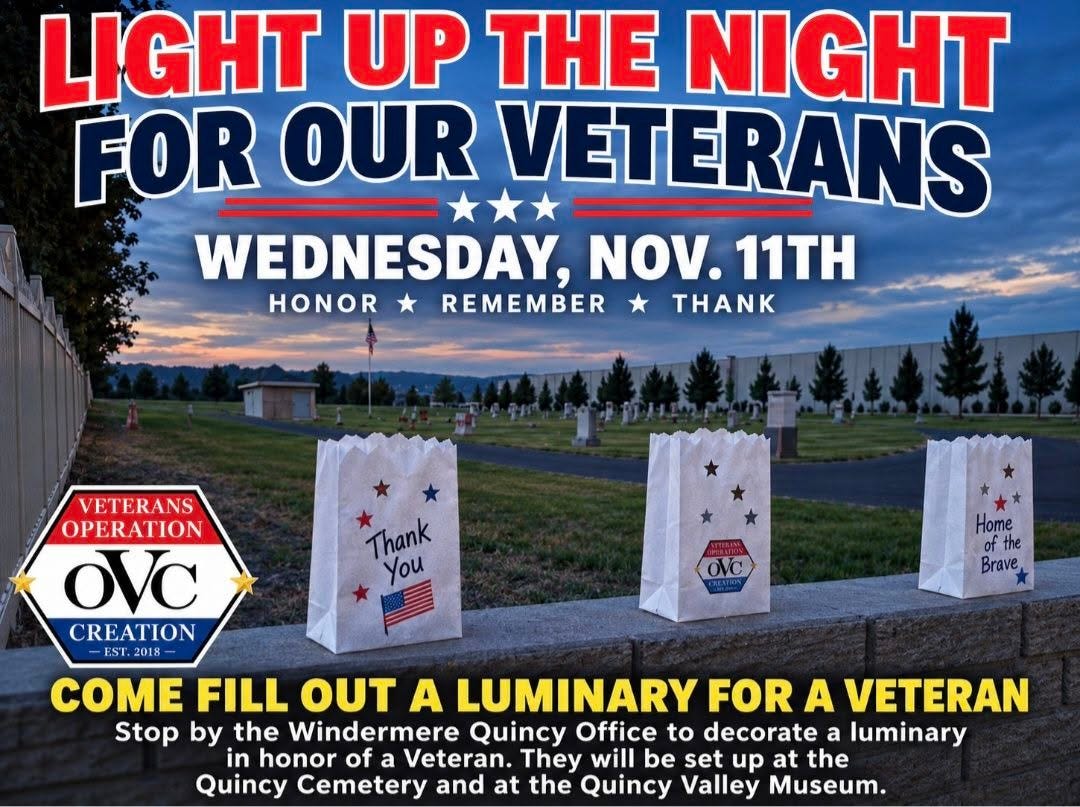
Earlier this year, I spoke with a local veteran and founder of Veterans Operation Creation Daniel Chism. One of the subjects we discussed was the challenge of returning to civilian life after military service.
We spend considerable time and resources preparing service members for the responsibilities and dangers they may face. Returning home, however, can bring challenges that are not easily resolved by removing a uniform and resuming ordinary life. Physical injuries, emotional struggles, memories of combat, and the difficulty of adjusting to civilian routines can remain long after active service ends.
For some veterans, those struggles are invisible to the people around them.
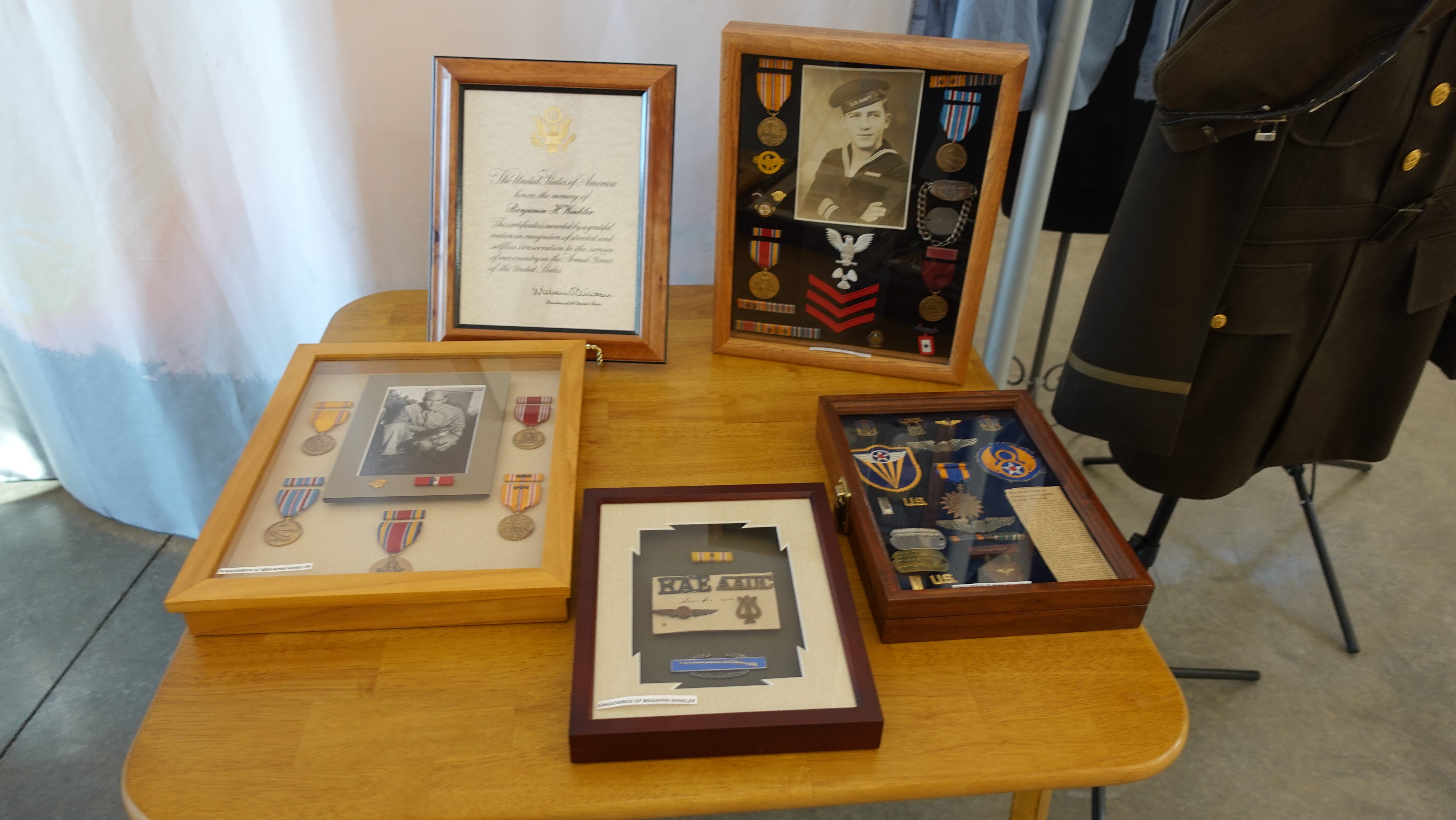
That is another reason exhibits like this matter. They create opportunities to recognize the people behind the uniforms, rather than viewing military service only through the conflicts in which they participated.
They also remind us that honoring veterans involves more than recognizing their service on designated holidays. It includes remembering their experiences, listening to their stories, and recognizing the responsibilities our communities have toward those who served.
Visit America 250 in Uniform
The Quincy Valley Historical Society & Museum is opening America 250 in Uniform to the public every Friday and Saturday from October 17 through November 7, with regular visiting hours from 1–5 p.m.
The museum will also hold a special day of remembrance on Veterans Day, Wednesday, November 11, from 10 a.m.–2 p.m.
The exhibit offers visitors an opportunity to explore 250 years of American military history while discovering the stories of veterans with connections to the Quincy Valley. With its combination of historical artifacts, educational displays, and local biographies, it is well worth setting aside time to visit before the exhibition concludes.
What This Means to You
For Quincy Valley residents, America 250 in Uniform offers an opportunity to see our nation’s military history through the experiences of people connected to our own community. Parents can bring their children to see the uniforms, photographs, and artifacts they may otherwise encounter only in textbooks.
Students can connect what they learn in school with the stories of local veterans, while families with a history of military service may recognize familiar names or discover connections they did not know existed. Even those without a personal connection to the military can gain a better understanding of the people and sacrifices behind 250 years of American history.
With the exhibit available through November 7 and a special Veterans Day remembrance on November 11, local families still have an opportunity to experience it together.
Standing Among Giants in the 98848
The Quincy Valley Historical Society & Museum has assembled something special with America 250 in Uniform. The collection is impressive, but its greatest accomplishment is making generations of military service personal and accessible to the people who live here. Standing among the uniforms, photographs, and personal belongings, I found myself thinking about the friends whose faces I recognized, the generations of my own family who served, and the men and women represented throughout the exhibit who never had the opportunity to return home.
It was humbling to stand among giants, even when some of those giants are people we know from our everyday lives. Their stories are part of America’s history, but they are also part of the history of Quincy, George, and the surrounding communities.
Thanks to the work of the Quincy Valley Historical Society & Museum, those stories remain connected to the place we call home, ensuring that future generations understand the role played by the men and women of the 98848.