
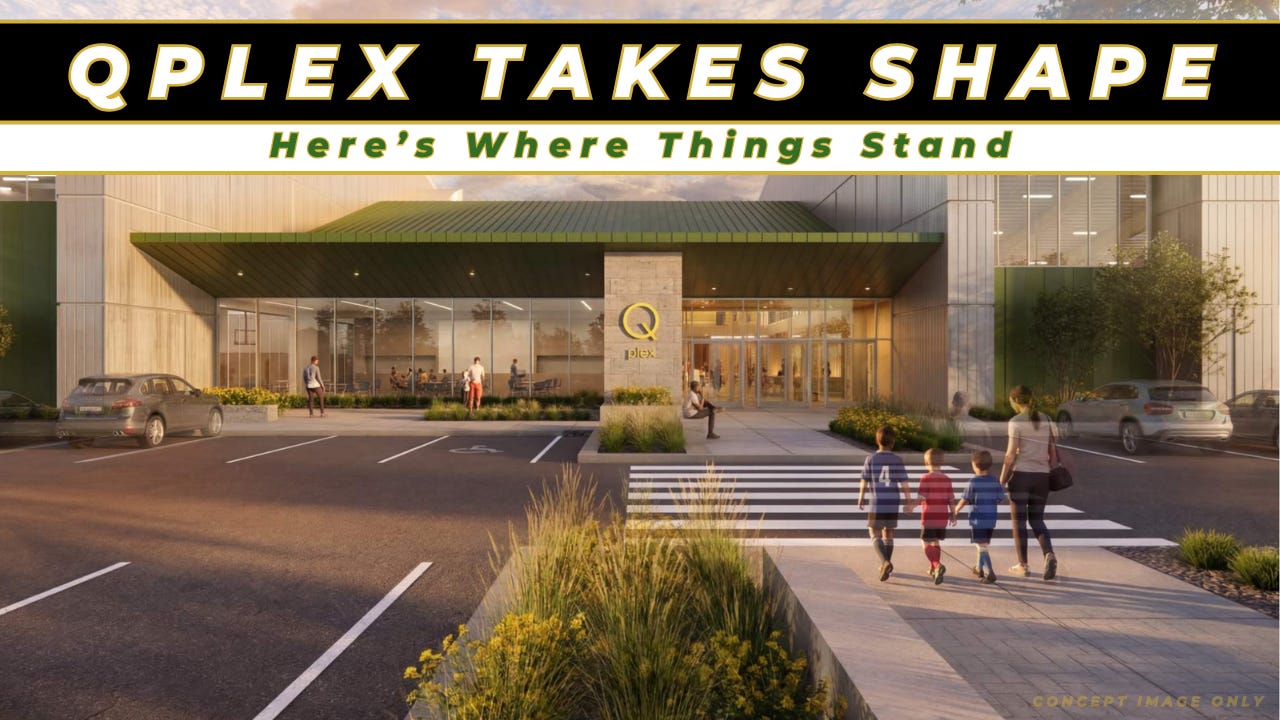
For years now, the Q-PLEX has lived somewhere between idea and expectation in the 98848.
You’ve heard about it. You’ve seen early concepts. You’ve probably wondered if and when it would actually start to feel real.
Last week, it took a step forward.
Not a ribbon cutting. Not a final design. But something important: a clearer picture of what this facility could become for the 98848, and how it might actually function when the doors open.
And if you’ve been waiting to see whether this thing has real legs… this update matters.
TL:DR
• The Quincy Q-PLEX is not final yet, but this week’s update shows real forward progress
• The current design includes indoor turf, multiple hard courts, flex rooms, concessions, and a central gathering space
• The building size has been refined to be more efficient, roughly in the 90K–112K sq ft range
• The facility is designed to serve both local daily use and larger regional tournaments
• Board members raised questions about whether some spaces (like flex rooms) should be larger if budget allows
• Key details like final layout, costs, and site coordination are still being worked out
• Bottom line: this is still evolving, but it’s a meaningful step toward a real facility for the 98848
A Facility Designed Around Community… Not Just Sports
From the beginning, the Q-PLEX hasn’t been pitched as just another gym. The design team reinforced that again in this latest presentation, grounding everything in a few key ideas: engage local youth, create a true community hub, keep it accessible, and make it something that draws people into Quincy, not just something that serves those already here.
That shows up in how the building is laid out.
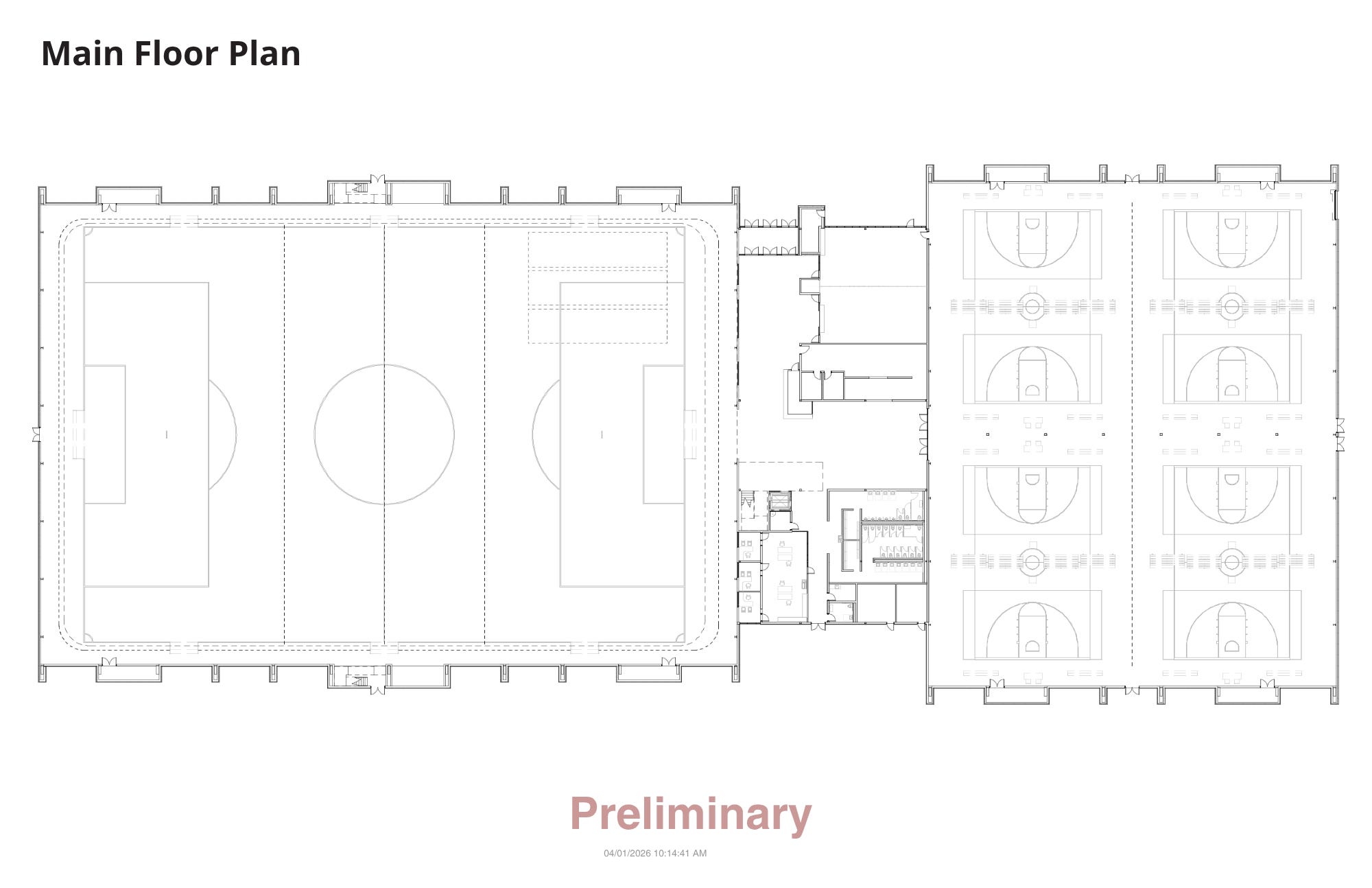
At its core, this is a multi-use facility. Not a one-sport building. Not a single-purpose complex. It’s designed to flex depending on the day, the season, and the needs of the community.
If this lands the way it’s being designed, the Q-PLEX could become more than a sports facility. It could become a real community asset for the 98848.
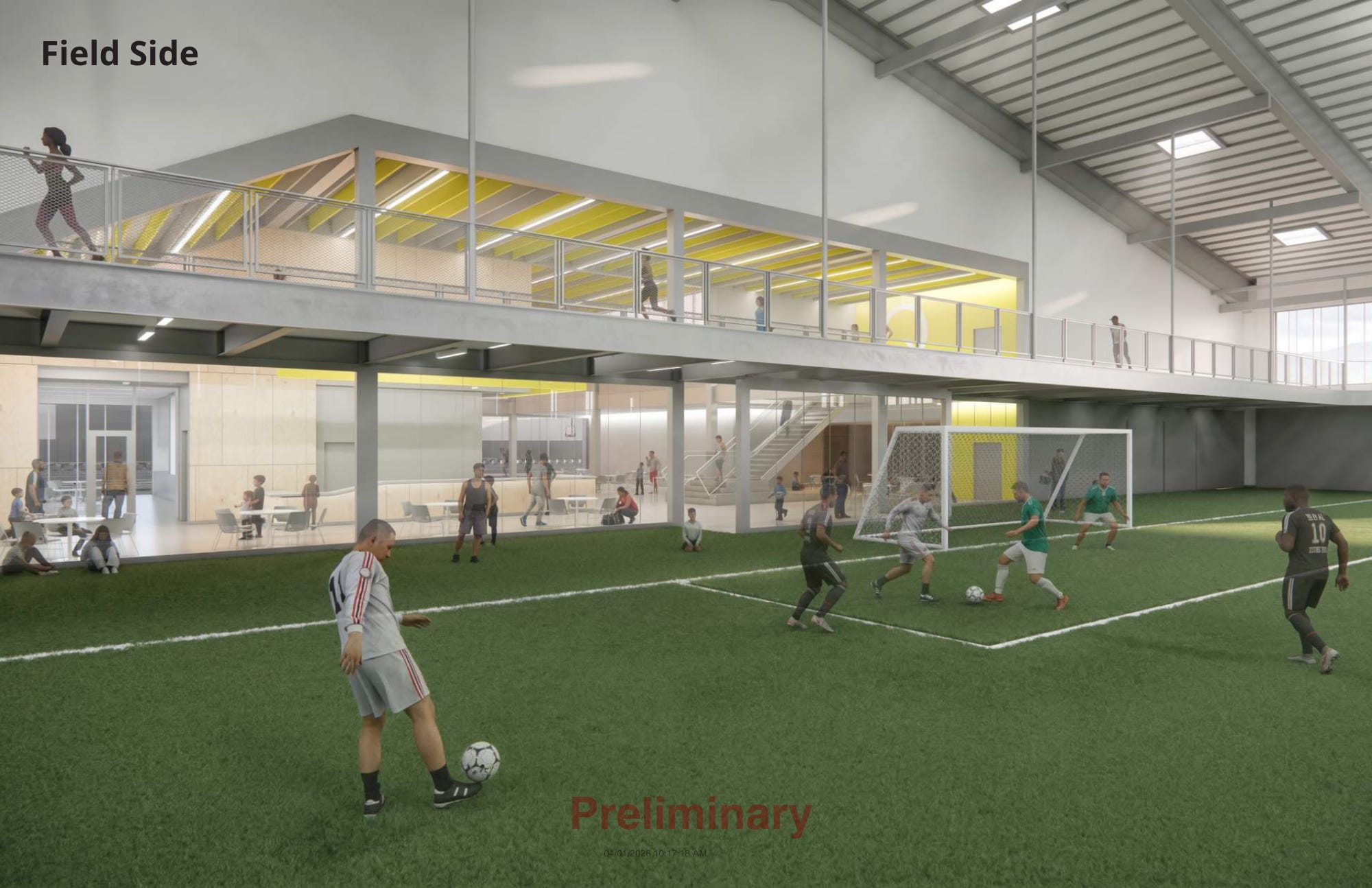
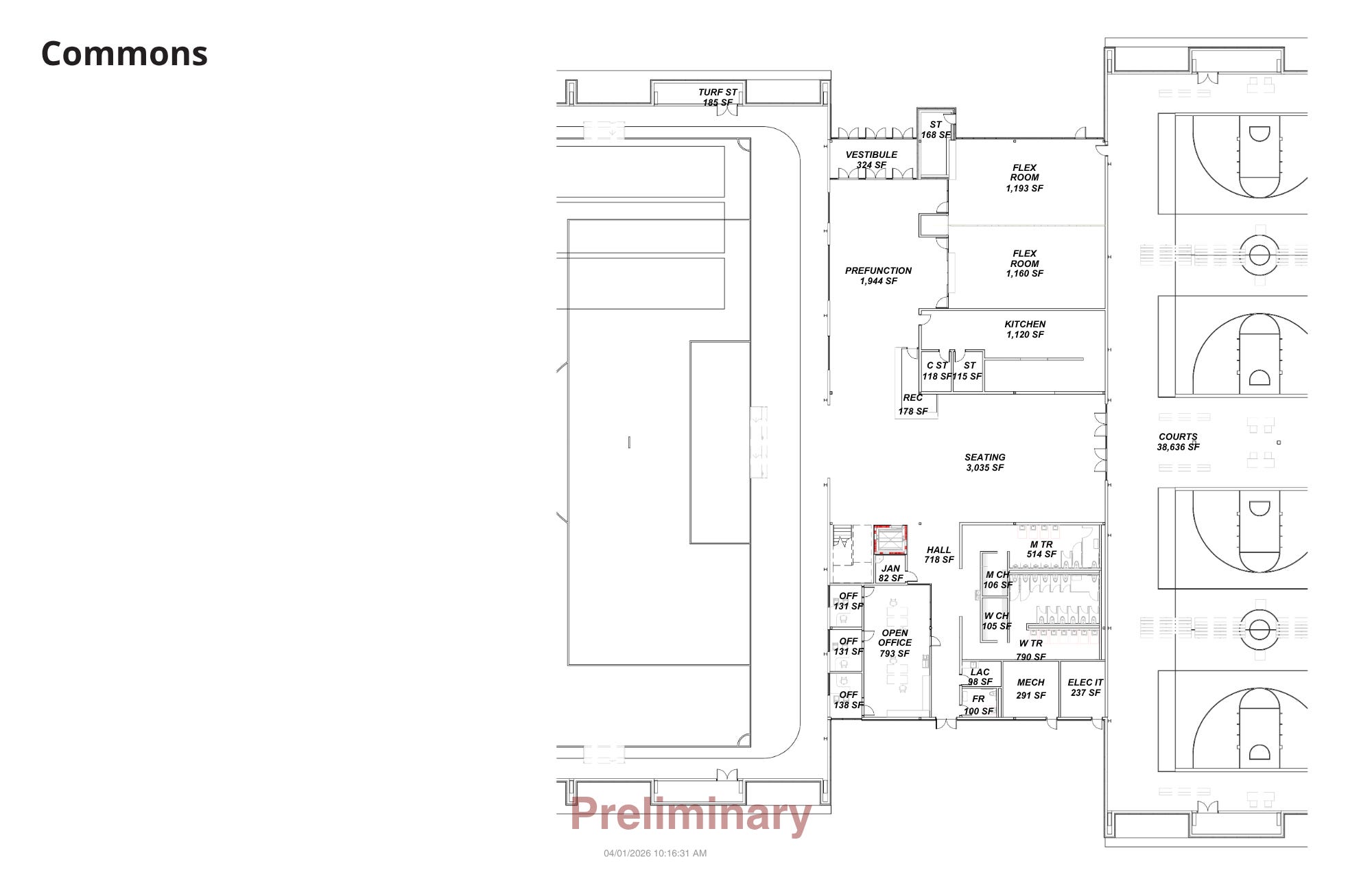
On one side, you’ve got a large indoor turf field—set up for soccer, football-style training, and even adaptable for baseball and softball work. On the other, a bank of hard courts that can host basketball, volleyball, and other indoor sports.
In the middle is where it gets interesting.
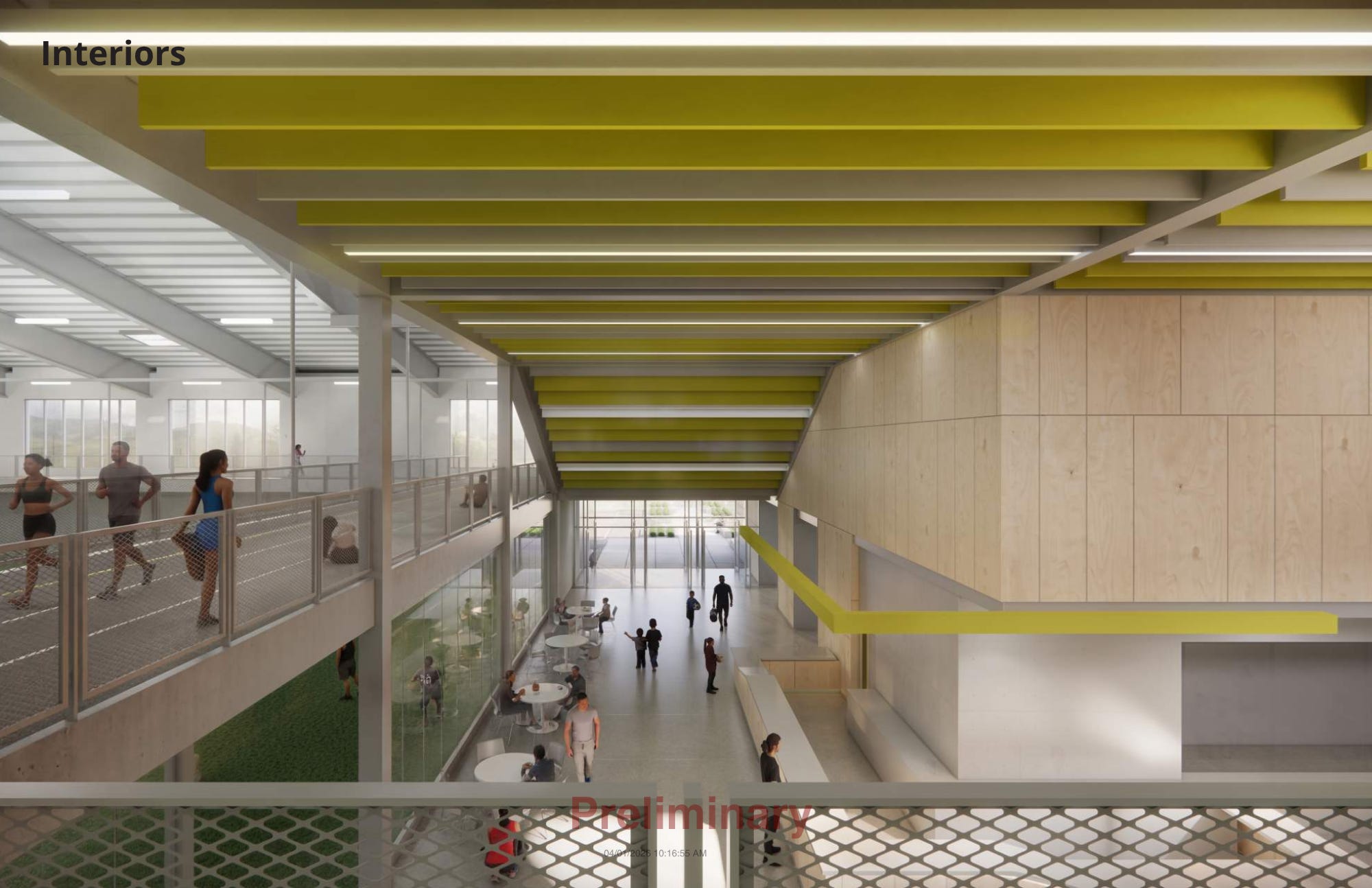
That central space isn’t just a hallway. It’s designed as a gathering area; something closer to a commons or café-style environment where people can sit, wait between games, meet, or just exist without being packed into the sidelines of a court.
Because anyone who’s spent a full Saturday at a youth tournament knows, that space matters.
Built for Tournaments… and Everything In Between
One of the big takeaways from the discussion is how much this building is being shaped around real use, not just best-case scenarios.
Yes, it’s being designed to host tournaments; that’s where the regional and economic impact comes in. Bringing teams into Quincy means hotel stays, restaurant traffic, and more visibility for the area.
But the board also spent time talking through what a normal Tuesday night looks like.
Local practices. Kids running drills. Parents waiting. Maybe a small meeting happening in a flex room. Maybe nothing “big” at all.
That’s where the flexibility of the design starts to matter.
The current layout includes multiple flex rooms that can be opened up or divided depending on need, everything from team meetings to community events.
There’s also a pre-function area and central seating space that can handle a few hundred people depending on setup, which becomes critical when you’ve got overlapping activities or large events cycling through.
And then there’s the turf.
In a tournament scenario, that turf space doesn’t just sit idle. The turf becomes overflow, warm-up space, or a place for teams to wait instead of being stuck outside or crammed into corners.
That’s the kind of detail that tells you this isn’t just being designed on paper, it’s being thought through by people who’ve actually lived those long tournament days.
A Smaller, Smarter Footprint
One of the more notable shifts in this update is size.
The building has been refined down to roughly 90,000–112,000 square feet; smaller than earlier concepts, but more efficient in how it uses space.
That wasn’t just about cutting, it was about tightening.
Instead of oversized, underused areas, the design leans into shared spaces doing double duty. The central circulation area becomes gathering space. The flex rooms connect directly to the entry and concessions. The layout is built to move people through the building without wasting square footage.
It’s a shift toward something more practical and more financially realistic.
But that doesn’t mean every question is answered.
The conversation now is less about whether there is a vision and more about whether the final design can match that vision within budget.
Board members raised concerns about whether some spaces; especially the flex rooms, are actually big enough for the kinds of events Quincy might want to host long term. That conversation isn’t settled yet.
And that’s important.
Because this is the phase where those decisions still get made.
What It Will Look Like—and Feel Like
If you’ve been wondering what this might actually look like, the early renderings give a glimpse.
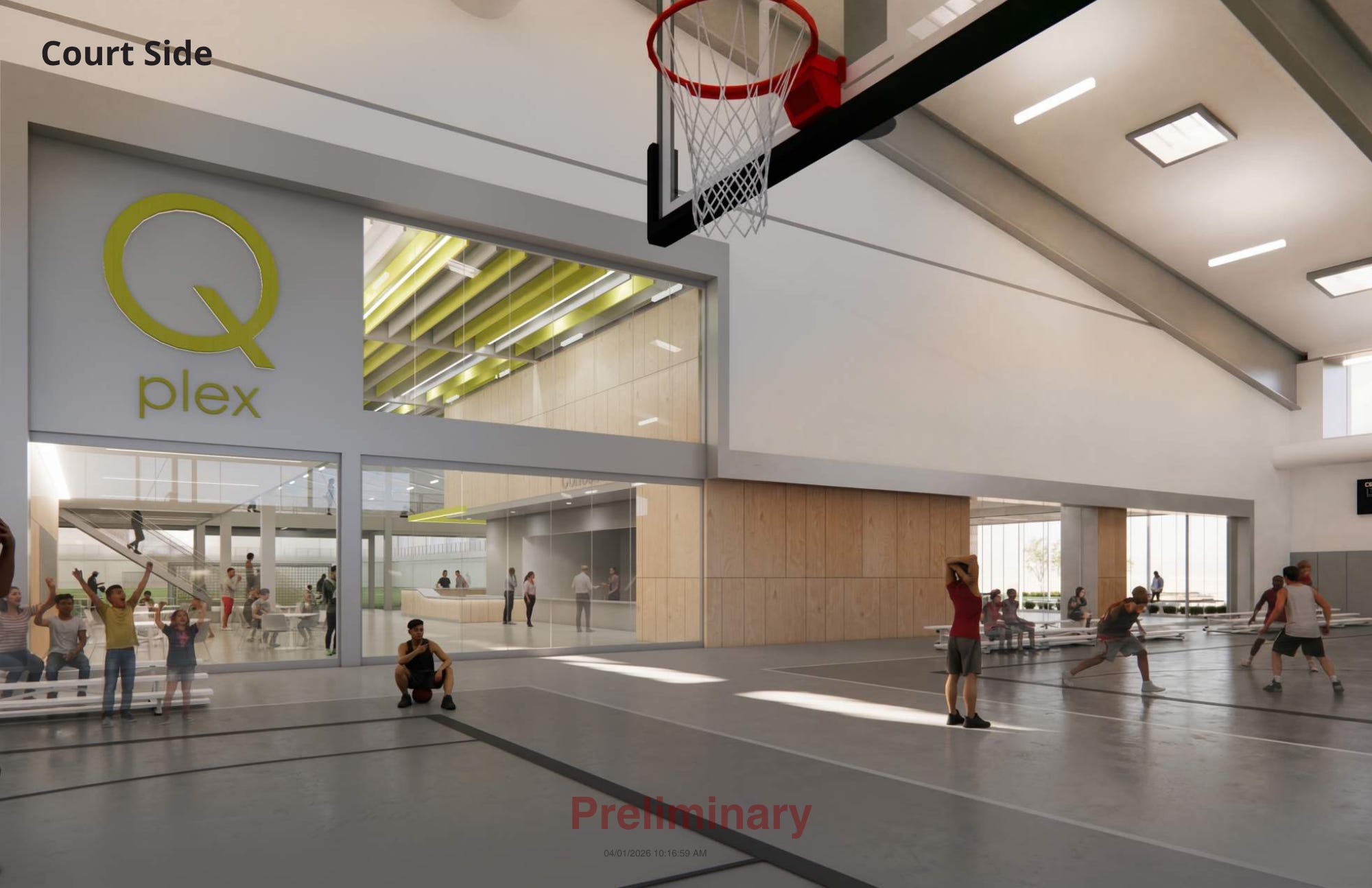
The design leans clean and modern, with a lot of natural light brought in through glazing and skylights.
Inside, there’s a clear emphasis on visibility. From the entry, you’ll be able to see into multiple parts of the facility. From the elevated walking track, you can look down onto the turf and courts. It’s meant to feel open, connected, and active, not closed off or segmented.
There’s also a strong nod to durability; polished concrete, athletic flooring, materials that can handle heavy use without constant upkeep.
Because this place isn’t being built for light traffic.
It’s being built for long weekends, packed schedules, and real wear and tear.
Still Early. Still Moving.
If there was one message repeated throughout the meeting, it was this:
Don’t lock this in your head yet.
This is still schematic design. Still evolving. Still being tested against budget, site constraints, and engineering realities.
There are still open questions about cost. About final layout. About how this integrates with surrounding roadwork and access points. Even about how certain spaces might expand or shift before final design.
But it is moving.
The design is getting tighter. The conversations are getting more specific. Coordination is happening between the city, engineers, and planning teams.
That’s what progress looks like at this stage.
Not headlines. Not shovels in the ground.
Clarity.
What to Watch Next
As the Q-PLEX moves through the next phase, here are the biggest things to keep an eye on:
Budget vs. building size
The board is still weighing how much space the project can support financially, especially when it comes to flex and community-use rooms.
Design development
This presentation was still schematic. The next phase will bring more refinement, more detail, and a better sense of what is actually likely to be built.
Roads, access, and site coordination
City staff made clear that access to the site, surrounding road work, and construction sequencing all need to stay aligned if the project is going to move smoothly. Sitting in other meetings this week, road work is starting shortly. You will likely see it moving by mid summer if not sooner.
Grant compliance and outside funding requirements
The city also noted the need to coordinate with funding partners and make sure the project stays within the boundaries of grant requirements.
How the building will actually operate
There are still open questions about policies, event flow, concessions, storage, movement of spectators, and how the building will function on a busy tournament weekend versus a normal local-use day.
Whether this stays true to its original promise
The biggest long-term question is whether the final version of the Q-PLEX will truly balance youth access, community use, regional draw, and affordability in a way that serves Quincy well.
What This Could Mean for the 98848
If this project lands the way it’s being designed, it has the potential to be more than just a building.
It becomes a place where local kids train year-round. Where families spend weekends. Where tournaments bring people into Quincy who otherwise might never come here. Where community events have a home that actually fits the need.
That’s the upside.
But like everything at this scale, it’s going to come down to execution; balancing ambition with budget, and making sure what gets built actually serves the community it’s meant for.
Right now, what we saw this week is a step forward.
And for a project that’s been talked about since 2019, that step matters.
Because for the first time in a while, this doesn’t just feel like an idea. With the city starting work on the roads to serve the QPLEX; it feels like something that is actually happening here in the 98848.

*ALL Images are CONCEPT images from the recent presentation by the ALSC Architects to The Quincy Valley Regional Parks District Board Meeting on March 31st 2026 and are NOT necessarily the final designs or what the QPLEX will look like in the end.