
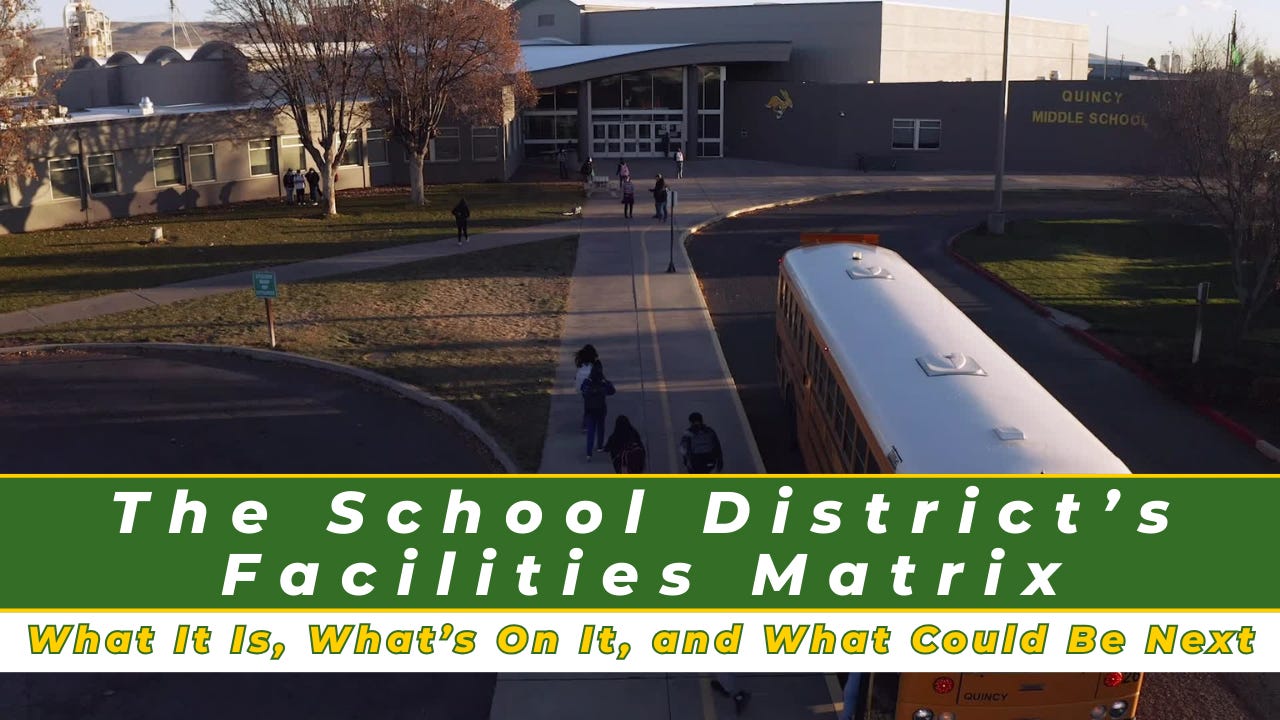
When something breaks in a school, most of us see the surface problem.
A bathroom stall that’s seen better days. Concrete cracking outside the high school. A pickup line that feels like it was designed in another decade.
What most of us don’t see is the system behind how those issues get logged, prioritized, and either fixed — or moved into long-term planning.
At this week’s Quincy School Board meeting, the district walked through something called the Facilities Matrix — a working document that tracks major facility needs across the district.
If you’ve ever wondered, “Why hasn’t that been fixed yet?” or “Is that going to require another bond?” — this conversation starts to answer those questions.
What Is the Facilities Matrix?
In simple terms, the Facilities Matrix is the district’s organized list of larger facility needs — the projects that go beyond everyday maintenance.
Work orders for small repairs (like a light, a door hinge, or minor plumbing) don’t show up here. The matrix is for the bigger items — the things that either:
• Cost significant money
• Require summer construction windows
• Need engineering or outside contractors
• Or may eventually roll into a larger capital project
The matrix is organized three ways:
• By school
• By priority level (low, medium, high)
• And by an “all items” list that shows what’s completed and what’s still pending
It’s not a wish list. It’s a planning tool.
And since 2020, it’s been active.
What Has Already Been Done?
One of the more eye-opening numbers from the presentation was this:
Over the past five years, the district has completed approximately $3.4 million in facility projects.
That includes things many families may not realize happened, such as:
• Replacing or upgrading heating plants and chillers at elementary schools
• Securing single-point-of-entry access at school buildings
• Replacing softball and baseball field screens
• Remodeling the district office instead of building a new one
• Adding maintenance shop improvements that allow the district to repair more equipment in-house
Not everything is visible from the street. But the dollars are real.
The matrix helps the district track that work and justify where funds go next.
What’s Currently On the List?
The matrix includes projects across multiple campuses, ranging from smaller upgrades to larger capital needs.
Some examples discussed include:
• High school concrete repair — Estimates vary depending on whether the district grinds/seals or replaces sections entirely. Costs could range significantly.
• Bathroom stall divider replacements at the middle school — An item many parents and students would likely recognize immediately.
• Security access control upgrades on additional doors — Expanding beyond current single-point-of-entry systems.
• Indoor camera refresh and additions — Part of ongoing safety planning.
• Heating control upgrades at older campuses — Updating industrial control systems originally installed decades ago.
• Parent pickup improvements — Including two options discussed: a smaller resurfacing approach and a larger redesign that would require engineering and significantly more funding.
• Roof lifecycle considerations — Leaders indicated at least one campus roof is nearing or past expected lifecycle and will need evaluation.
Some of these are categorized as high priority. Others are medium or low, based on urgency, cost, and available funding.
One important thing to understand: priority does not automatically mean immediate funding. It means the district recognizes it as a need and is tracking it intentionally.
When Does a Repair Become a Bond Conversation?
This is where the matrix becomes more than a list.
It becomes a roadmap.
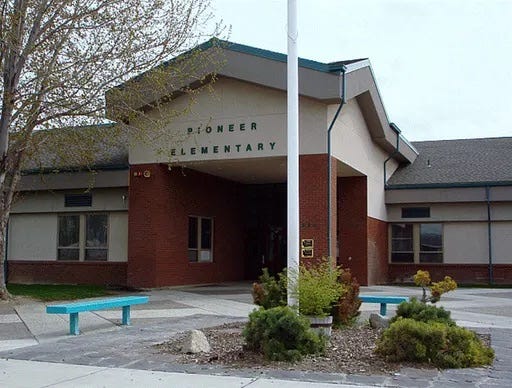
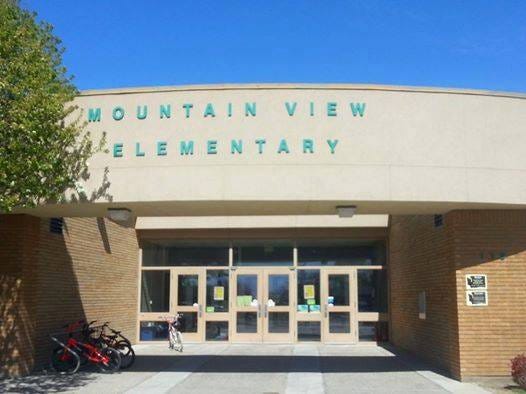
During the work session, district leaders also revisited past Facilities Committee discussions. That committee previously recommended rebuilding Mountain View and eventually rebuilding the middle school — rather than continuing to invest heavily in aging infrastructure that has been remodeled multiple times since its original 1950s construction.
One example discussed: the middle school boiler system. The district can replace one unit at a significant cost — or consider whether that investment makes sense if a rebuild is on the horizon.
That’s the kind of decision districts face regularly:
Do you invest $100,000+ into extending the life of a building?
Or do you start planning for a larger capital solution?
Those are not small decisions. And they don’t happen overnight.
Board members discussed the idea of reconvening the Facilities Committee, likely in early fall, to revisit previous recommendations and assess current needs and costs. That would likely be the first formal step toward any future bond planning conversation.
No bond has been proposed. No vote has been scheduled.
But the groundwork conversations are beginning.
What This Means for the Community
Facility planning is rarely exciting. It’s spreadsheets, lifecycle charts, engineering quotes, and cost projections.
But it matters.
School buildings are not just classrooms. They’re safety systems, heating systems, traffic flow systems, and community spaces.
The Facilities Matrix shows that Quincy School District is not operating reactively. It’s logging needs, assigning priority, and tracking cost.
The bigger question that may emerge over the next year is whether continued repairs are enough — or whether the community will be asked to consider larger rebuild investments in the future.
That conversation, if it comes, won’t be rushed.
But it is starting to take shape.
And now you know what’s behind it.
TL;DR
• The Facilities Matrix is the district’s planning tool for major repair and capital needs.
• Since 2020, roughly $3.4 million in projects have been completed.
• Current items include concrete repair, bathroom upgrades, security access, heating controls, roof lifecycle concerns, and parent pickup redesign.
• Past Facilities Committee recommendations included rebuilding Mountain View and eventually the middle school.
• No bond is proposed yet — but early planning discussions are beginning.