
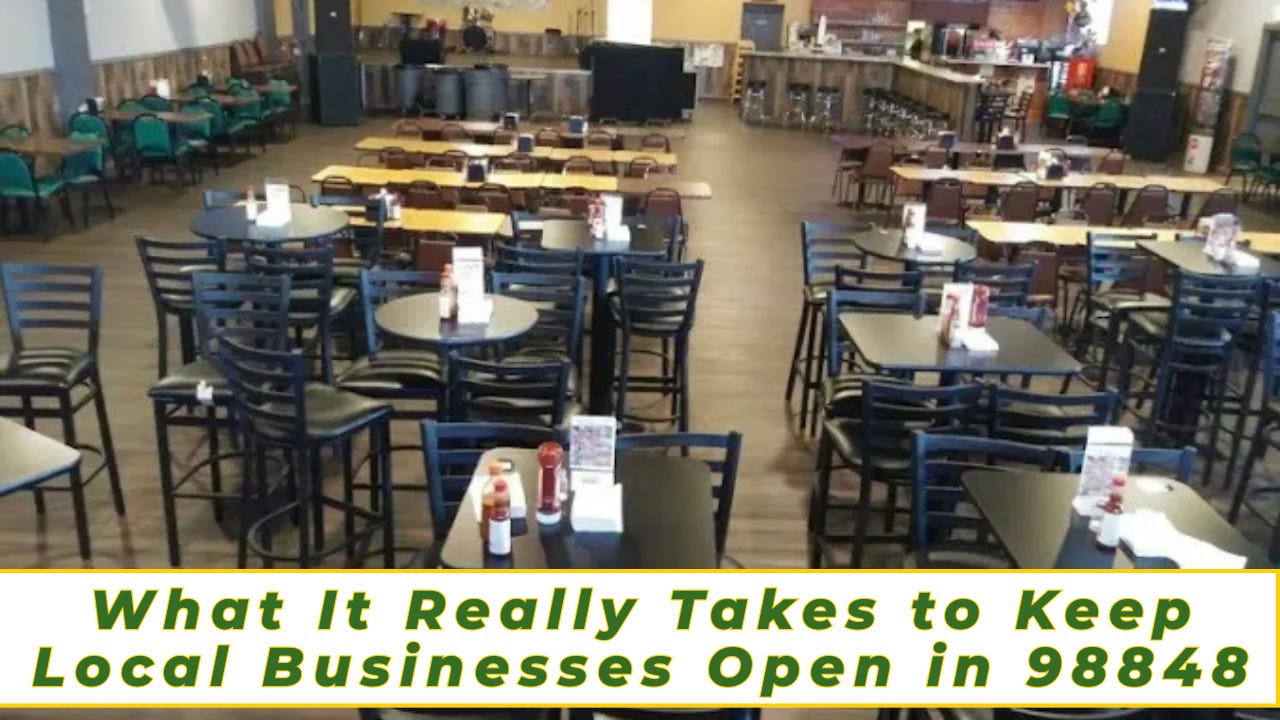

If you spend enough time around Quincy, George, Crescent Bar, Winchester, Sunland Estates, or anywhere else in the 98848, you’ll hear a version of the same conversation sooner or later.
“Why don’t we have more places to eat around here?”
It comes up standing in line at the grocery store. It shows up in Facebook comment threads. Someone brings it up while watching a game at the high school or talking after church.
People want more options. More restaurants. More places to gather.
But there’s another side of that conversation that doesn’t get talked about as often; what we already have.
Several local business owners have quietly said the same thing when the subject comes up.
“We’re open. We just need people to come in.”
That’s not a complaint. It’s just the reality of trying to run a small business in a small community.
From the outside, it can look simple. A restaurant opens its doors. People show up. Food gets served. Life goes on.
Behind the scenes, keeping the lights on is a constant balancing act between food costs, wages, rent, insurance, utilities, and the simple fact that small towns only have so many customers to go around. In communities like ours, those businesses are about more than just a meal.
They’re part of the fabric of daily life.
Small Businesses Are Part of the DNA of Towns Like Ours
For generations, small towns across America were built around locally owned businesses.
The café where people meet before work.
The restaurant where families celebrate birthdays.
The shop where someone remembers your name and asks how your kids are doing.
Those places aren’t just businesses. They’re gathering spots. They’re part of the rhythm of the community.
One of my favorite parts of living in our community is knowing the face and people behind the businesses I frequent. Speaking as a person who is horrible with names, knowing the people makes life incredible here. From the people in the bakery at Akins to individual business owners like Ofir at Güero y Maria’s, Fernando down town, Sharyl & Dave at Monkey N’ Around Pizza, Mike at Quincy Veteran Threads, Amie at Crazylady Kitchen & Catering and many more!
Not just names and faces, people who help make up the story of our community here in the 98848.
Nationally, small businesses still make up nearly all businesses in the United States. According to the U.S. Small Business Administration, 99.9 percent of American businesses are considered small businesses, and they employ nearly half of the country’s private workforce.
But over the past few decades, that landscape has been shifting.
Independent businesses have faced growing pressure from rising costs, national chain expansion, and the explosion of online shopping. Many small towns have watched longtime family businesses close their doors for the very last time after decades of operation.
When that happens, the loss isn’t just economic.
It’s personal.
Because in small towns, businesses aren’t just places you spend money. They’re places where people connect.
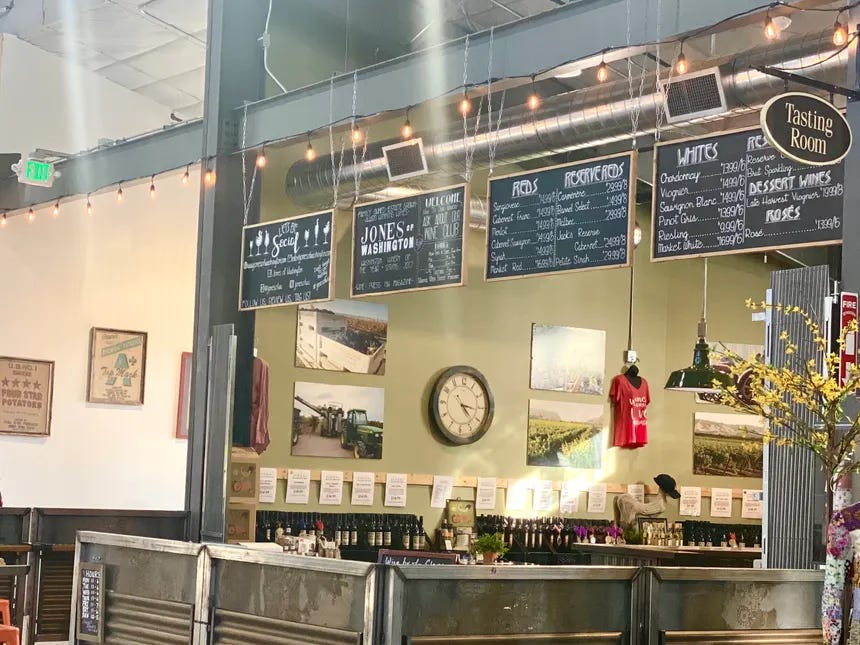
The Reality of Running a Small Business in a Small Town
Running a business in a community like Quincy or George isn’t the same as running one in a large city.
The customer base is smaller. Foot traffic is limited. And many businesses rely heavily on the same community they serve showing up consistently.
At the same time, the costs of operating a business have continued to climb.
Food prices have risen significantly in the past few years. Supplier costs fluctuate. Fuel charges on deliveries add up. Utilities are higher than they used to be. Insurance continues to climb.
Labor is another major piece of the equation.
Washington State currently has a minimum wage of $17.13 per hour, one of the highest minimum wages in the country. For restaurants and service businesses that require multiple employees on staff just to operate for the day, that number shapes nearly every decision.
Then there’s rent, equipment maintenance, cleaning supplies, point-of-sale systems, internet service, taxes, and everything else that comes with operating a storefront.
Most customers never see those numbers. They just see the price on the menu.
And sometimes that price can look higher than what people expect.
But when you look closer at what goes into a single meal, the picture starts to make more sense.
Will you nerd out for me for a minute?
For the context of this article I broke down a hypothetical small burger joint because I didn’t want to ask any of our neighbors here in the community to lay all their numbers bare for the world to see. I spent several hours breaking down and verifying local numbers so you could all see it.
If you don’t want to nerd out with me, skip to “Why Local Spending Matters in a Place Like 98848”
Inside the Economics of a $12 Burger in a Small Town
To understand why small restaurants struggle, it helps to look at what actually goes into a simple meal.
Imagine a small-town burger joint serving a typical $12 combo:
¼ lb burger
fries
20 oz fountain drink
The ingredients alone add up faster than most people realize.
Rough Food Cost Per Meal
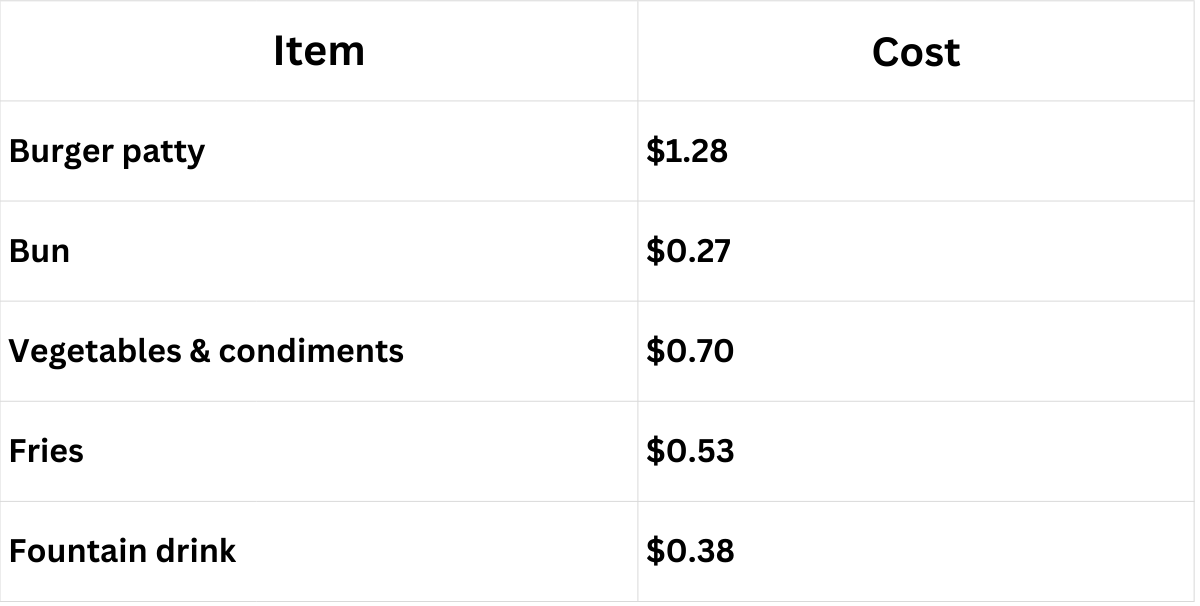
Total food cost: about $3.40 per meal
That means before paying a single employee or turning on the lights, almost 30% of the meal price is already gone.
Labor Is the Largest Cost
Washington’s minimum wage is currently $17.13 per hour.
Even a very small restaurant needs:
1 cook
1 front counter/server
3 employees during busy hours
Across a typical day, that averages about 30 labor hours.
That equals roughly:
$500+ in labor every day
Monthly Operating Costs Add Up Quickly
Typical small restaurant costs in the Quincy area can look something like this:
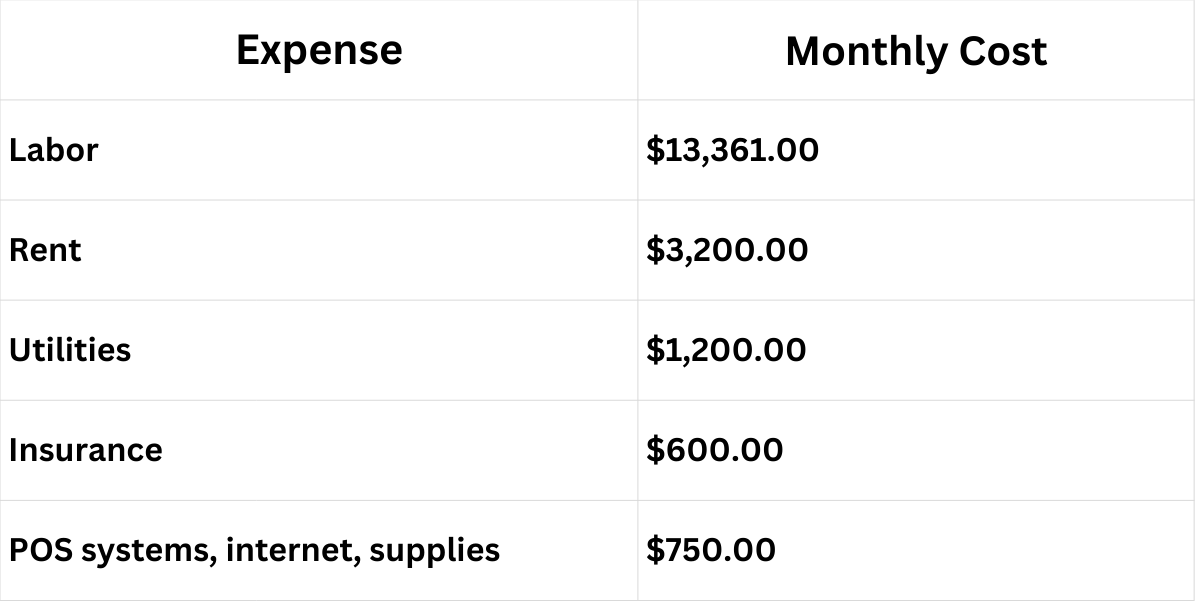
Total monthly operating costs: about $19,000
And that’s before the owner takes home a paycheck.
Why Volume Matters
A restaurant doesn’t survive on a single burger. It survives on consistent daily volume.
The hypothetical burger shop selling $12 meals might look like this:
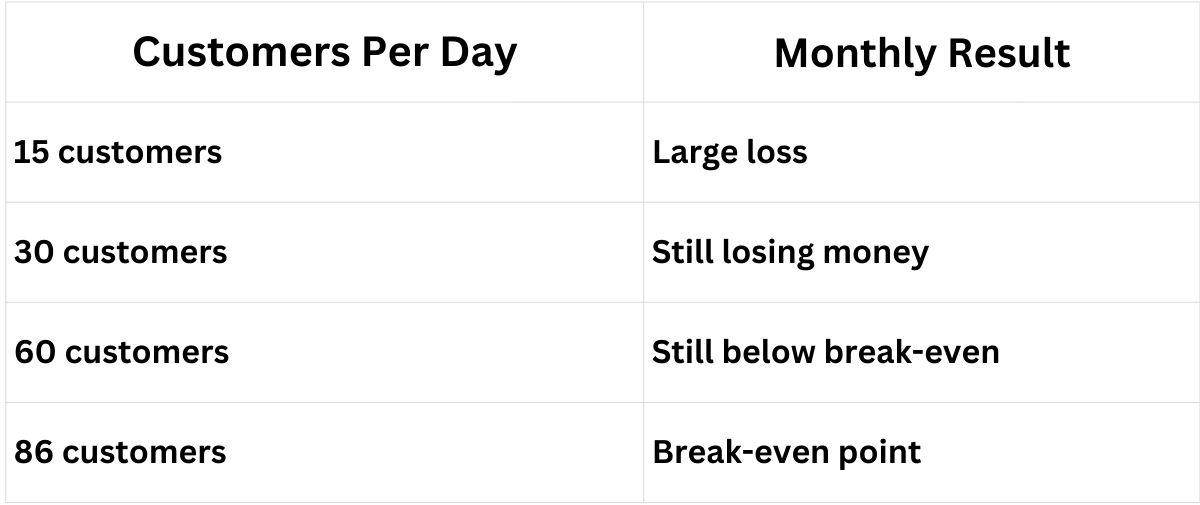
A restaurant like this would need about 86 customers per day just to cover costs.
Not to get rich.
Just to stay open.
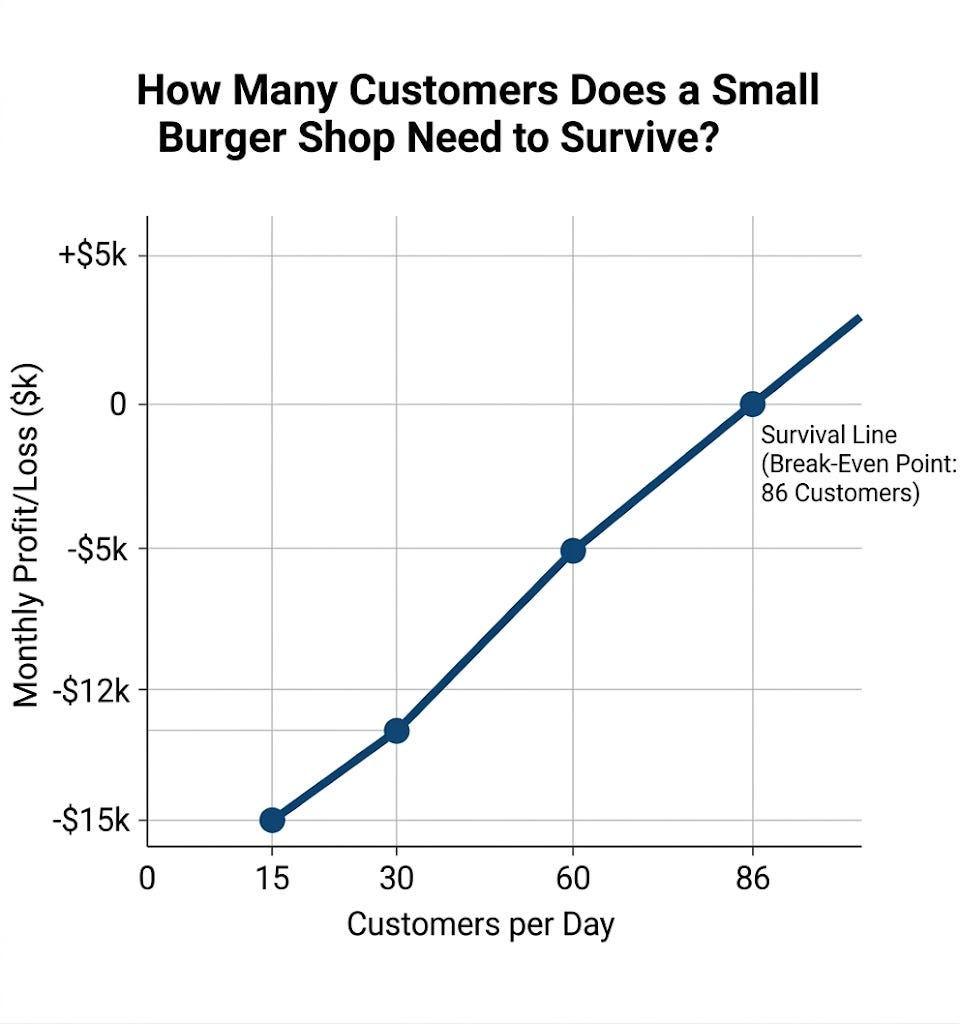
When you see those numbers, it becomes easier to understand why a quiet dining room on a Tuesday afternoon can make restaurant owners nervous.
Why Local Spending Matters in a Place Like 98848
One of the things economists often talk about when discussing small towns is something called the local multiplier effect.
It’s a simple idea.
When money is spent at a locally owned business, a larger portion of that money stays inside the community.
Local business owners hire local employees.
Those employees spend their wages locally.
Businesses often buy services and supplies from other nearby companies.
Studies have estimated that roughly half or more of the money spent at locally owned businesses stays circulating within the community, supporting additional jobs and economic activity.
By comparison, when money is spent with large national chains or online retailers, much of that revenue leaves the community entirely.
None of this means chain stores or online shopping are inherently bad. They’re part of modern life. But it does show why small businesses play a unique role in places like ours.
They keep more of the local economy local.
What Happens When Small Towns Lose Local Businesses
Researchers who study rural communities have seen the same pattern repeat across the country.
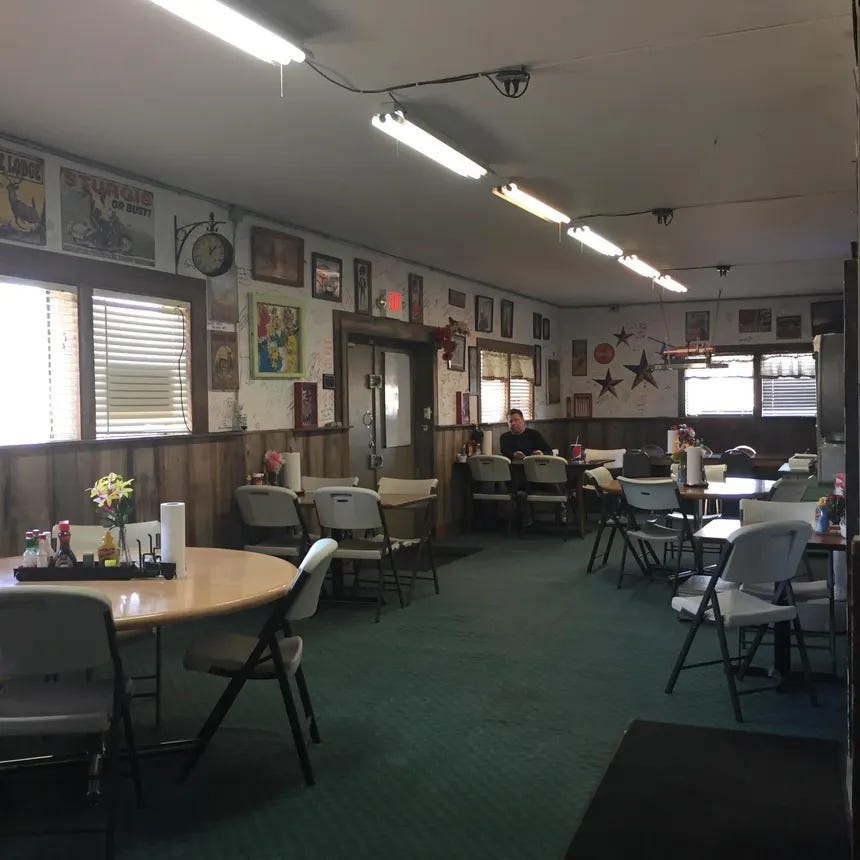
When locally owned businesses disappear, the change doesn’t happen all at once. At first, it might just mean fewer choices for where to eat or shop.
Over time, though, the ripple effects grow.
Fewer locally owned businesses often means fewer local jobs. It means fewer gathering places. It means fewer businesses sponsoring youth sports teams, school fundraisers, and community events.
In many towns, small business owners are some of the same people supporting local nonprofits, helping with community projects, and investing their time back into the place they live.
When those businesses disappear, a piece of the community’s infrastructure disappears with them.
The People Behind the Businesses
It’s easy to look at a storefront and think of it only in terms of prices or convenience.
But behind almost every small business in this community is a story.
Someone took a risk.
Someone decided to invest their savings, their time, and often their family’s future into building something here in 98848.
Sometimes it’s someone who grew up here and wants to build something of their own. Sometimes it’s someone who moved here and decided this was the place they wanted to put down roots.
Running a restaurant, café, or local shop usually means long days, early mornings, and plenty of uncertainty.
Most small business owners aren’t doing it because it’s easy. They’re doing it because they believe in the community.
Maybe it’s one of our generational farmers or businesses like our friends out at Trinity Gardens Lavender Farm or Kooy’s Irrigation. Maybe it is a newer member of our community like the Holiday Inn Express & Suites George or something in between
Each one of them is a face, a family and a story that is part of our amazing community.
The Future of Local Businesses in Our Community
The towns that make up the 98848 have always had a strong sense of community pride.
Quincy, George, Winchester, Crescent Bar, Sunland Estates and the surrounding area have built something special here over the years. People show up for each other. They support local schools, local sports, local events, and local causes.
Local businesses are part of that same story.
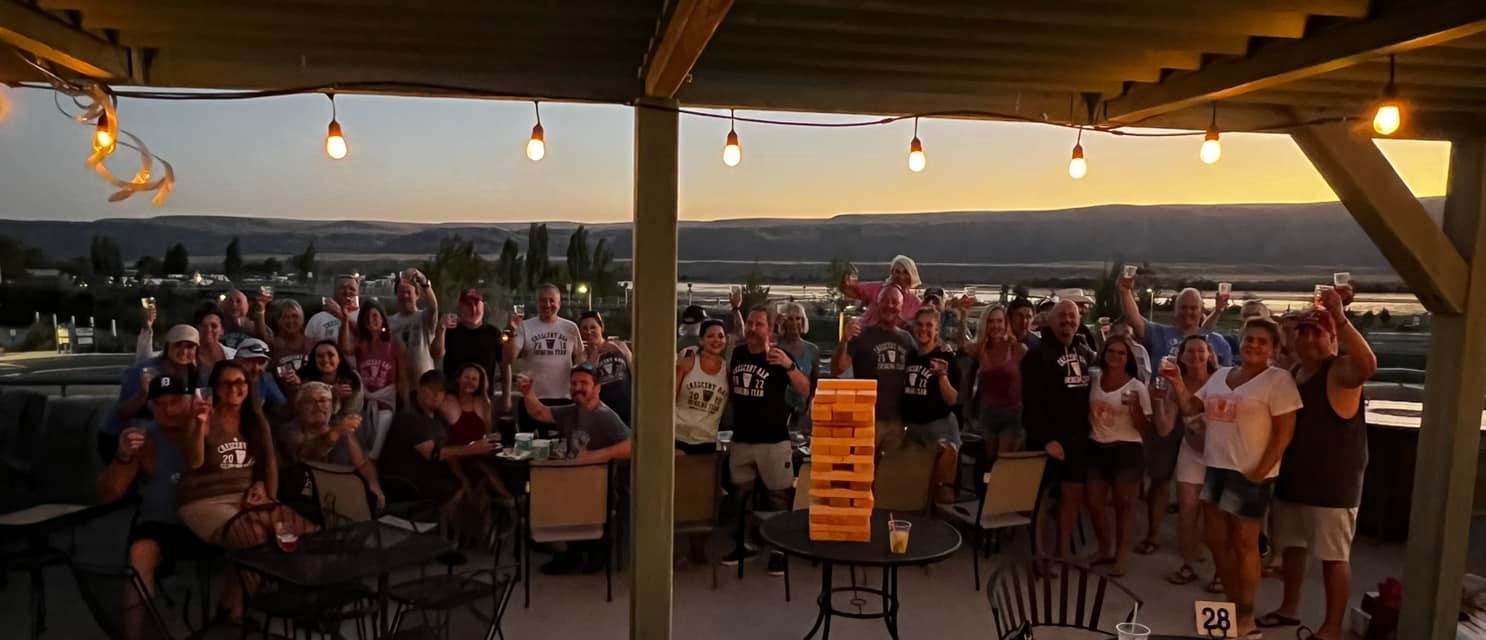
They’re the places where people gather after games, meet for lunch during the work week, celebrate family milestones, or just catch up with neighbors.
But businesses don’t stay open simply because people say they want them.
They stay open when people walk through the door.
In small communities, those choices add up more than most people realize.
Because when a local business succeeds, it doesn’t just benefit the owner.
It becomes another place where the community can come together.
And in towns like ours, those places matter.