

Quick Take
• Mountain View Elementary is seeing a surge in library use as students check out more books and spend time reading before school and during recess.
• The school redesigned recess with activity zones and a student “soccer contract” to reduce playground conflicts.
• Staff are using intervention blocks and small student groups to support academic and social development.
• School leaders say strengthening connections with families remains an ongoing priority.

On a typical morning at Mountain View Elementary, something stands out.
Kids walking through the hallway with books tucked under their arms. A couple of students sitting quietly in the library before class starts. Others stopping in during recess to see if the book they’ve been waiting for has finally been returned.
For a school with just under 300 students, the library has become one of the busiest places in the building.
That wasn’t always the case.
Mountain View Elementary is doing more than trying to move test scores.
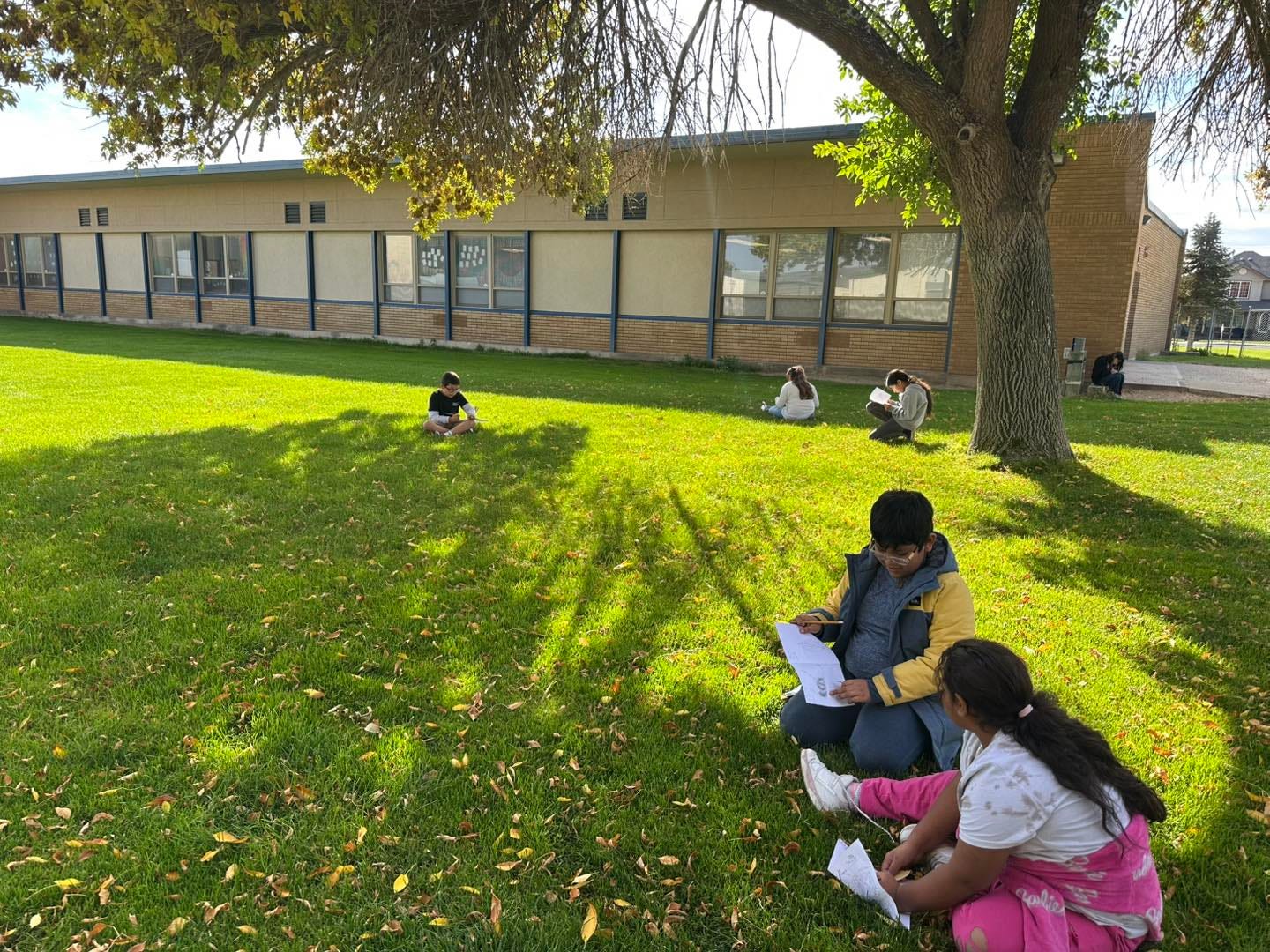
Over the past year, the library, along with a number of other changes around the school has become part of a larger effort to help students feel connected, supported, and ready to learn.
At a recent Quincy School Board meeting, Principal Manuel Ramos shared an update on how the school is approaching that work, from reading habits and academic growth to playground structure and family engagement.
His report touched on literacy, student support systems, school culture, behavior, and one of the ongoing challenges schools across the country face: building stronger connections between schools and families.
If there was one theme that surfaced again and again during the report, it was this: Mountain View is working to create a school where students grow because they feel safe, connected, and supported.
That work shows up in obvious places like classrooms, but also in spaces families might not think about as much; the library, the playground, lunchtime groups, and family engagement events.
And in some cases, those smaller changes are making some of the biggest differences.

A Library That Feels Alive
Before Ramos even began his report, Mountain View librarian Megan Higgins used the public comment period to share how the school library has changed over the past year.
When she arrived at the school, the library’s annual circulation was about 2,800 books for roughly 300 students. Last year that number jumped to 5,077 checkouts. This year, with third quarter not yet finished at the time of the meeting, circulation had already reached around 4,400.
What makes those numbers notable is that students are not required to check out books.
“I do not incentivize checkout at all,” Higgins told the board. “I don’t require them to check out books. That is up to them.”
Instead, Higgins said she focused on making the space feel more inviting and easier for students to explore. She removed about 2,600 books that had gone untouched for years and reorganized the collection so students could actually see what was available.
Genres and interest-based sections replaced tightly packed shelving, allowing students to browse more easily — a setup she described as creating more of a “bookstore vibe.”
The school also ran a donation drive that brought in nearly $4,500 from local businesses, allowing the library to add new books students were asking for.
The result has been immediate.
“Our kids love to read,” Higgins said. “They absolutely love it.”
Ramos said the library has quickly become one of the most popular places in the building.
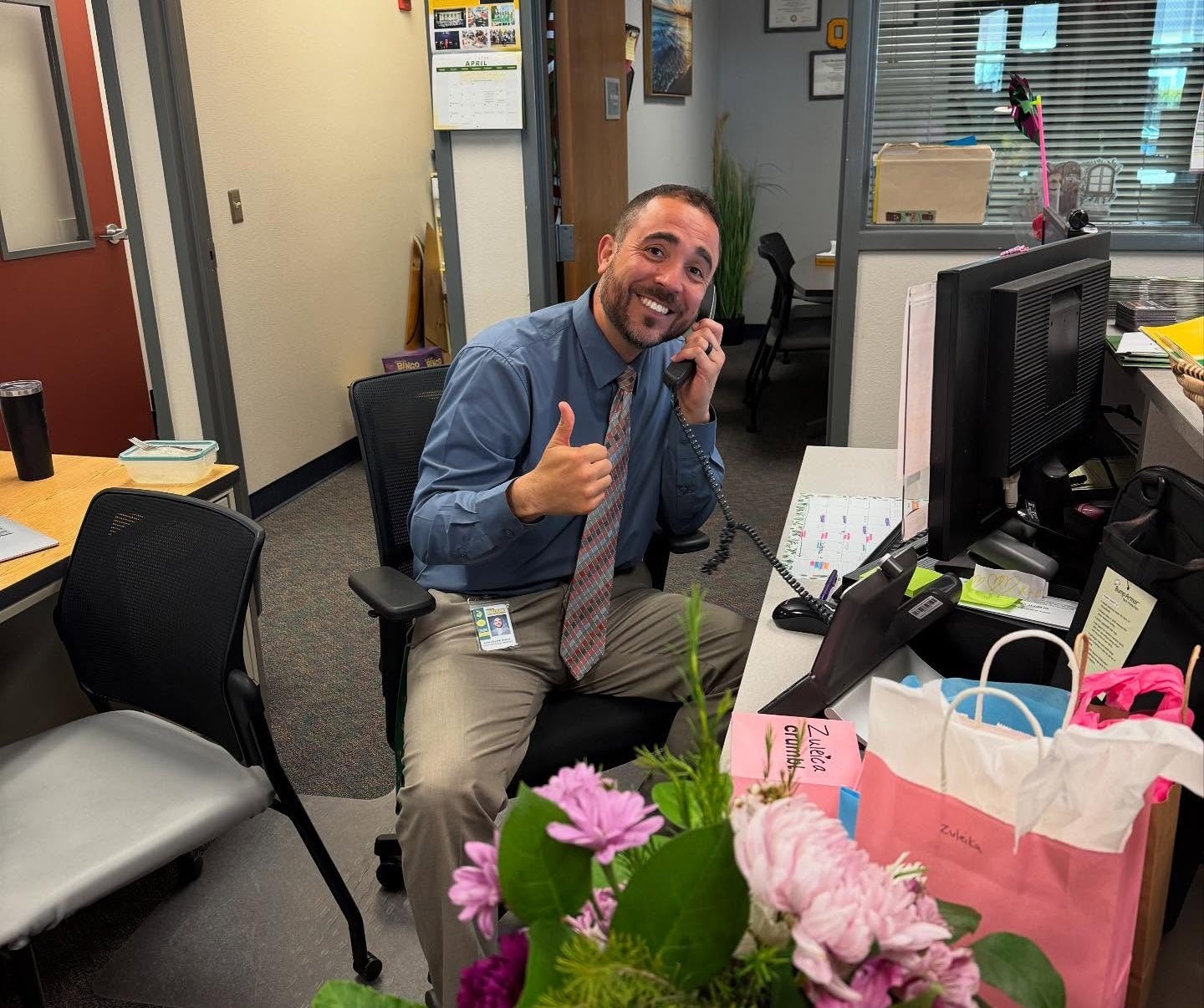
”This is definitely one of our hot places that our kids will want to come to and hang out before school starts, during recess. They come in all the time to try to check out some books with Ms. Higgins. Honestly, Ms. Higgins Has made lots of great relationships with a lot of her students, they just love to come in and hang out with her.
One thing that they love is that she can find their interest. And really connect that to a book, which really brings the books to life. So it’s really cool to see them making connections with her, making connections to books, and then seeing them read books out in the hallway.”
Some titles, he noted, even have wait lists.
Building a School Where Students Belong
For Ramos, the library is just one example of a bigger goal.
Mountain View’s school improvement plan focuses on academic growth, but it also emphasizes school climate, social-emotional support, and making sure students feel they belong.
“We truly believe that relationships are the foundation of everything we do here,” Ramos told the board.
“We’re all about making connections before making those corrections.”
Mountain View serves a student population that reflects much of Quincy’s broader community. The school enrolls just under 300 students, with more than 90 percent Latino and nearly half classified as multilingual learners. A large majority of students also qualify for free or reduced-price meals.
Those demographics shape how the school approaches instruction and student support.
Ramos said the school improvement plan specifically focuses on improving outcomes for Latino students and multilingual learners while strengthening instruction for all students.
Academic data shared with the board showed signs of growth.
Using the STAR assessment system, the school reported that about 63 percent of students demonstrated typical to high growth in math from fall to winter assessments. In reading, about 57 percent of students showed similar growth.
That still leaves a portion of students who did not meet that growth mark, something school leaders said they continue to address through targeted intervention and additional classroom support.
District leaders also used the discussion to clarify an important distinction for families: growth and proficiency measure different things.
Proficiency shows whether a student has reached a certain academic benchmark. Growth tracks how much progress a student is making from where they started.
For schools serving students who may be at very different points academically, growth can provide a clearer picture of whether instruction and support systems are helping students move forward.
The library is one of the most visible examples of that approach, a place where small changes reshaped how students interact with the space around them.
But it isn’t the only place where Mountain View has been making adjustments. Some of the biggest shifts have happened outside, on the playground, where staff began looking closely at behavior patterns during recess and asking a simple question: how could the school create a space where more students felt safe and included in the game?
Rethinking Recess: Zones, Structure, and Safety
One of the most practical examples Ramos shared during the report involved recess.
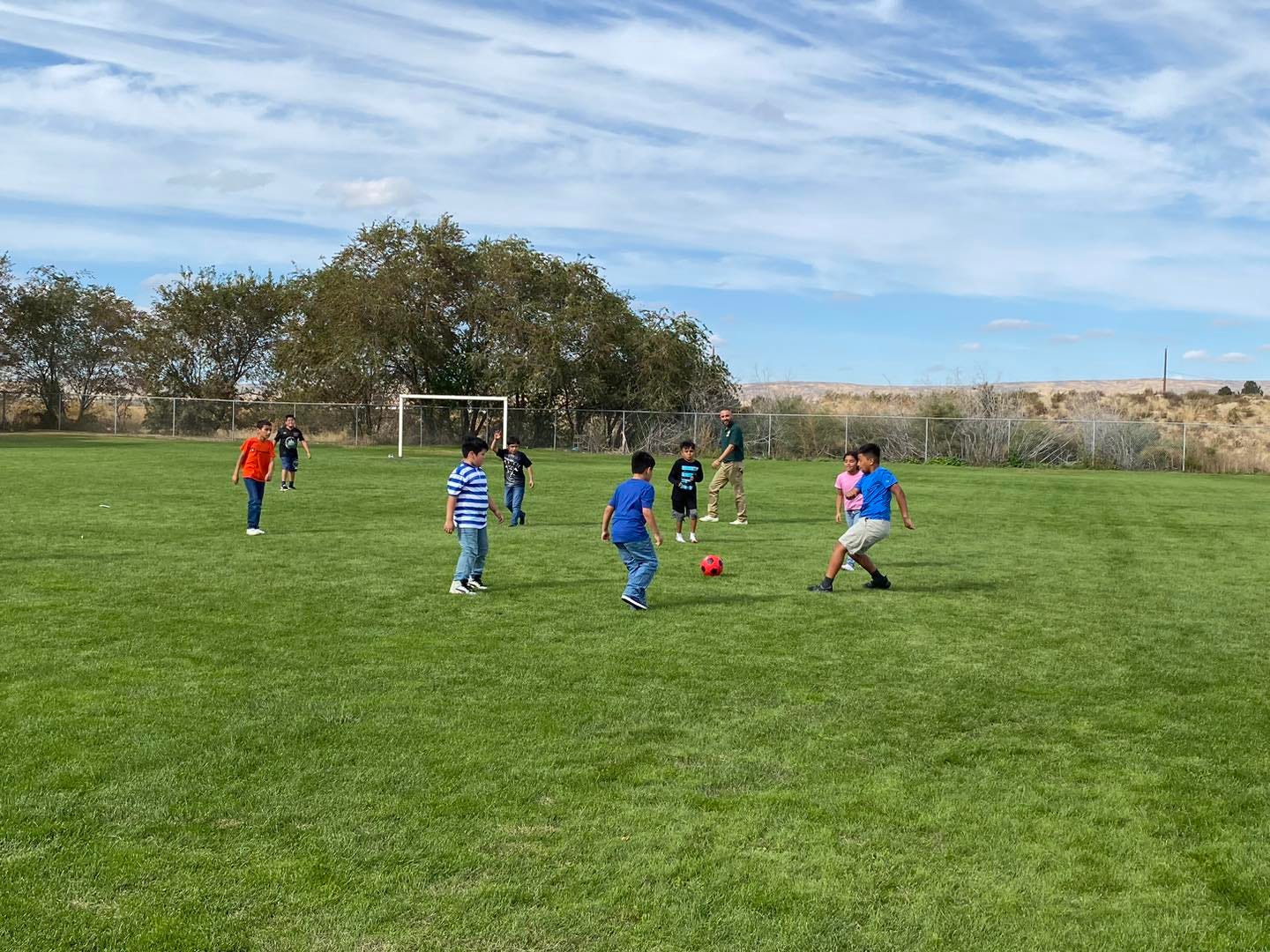
Earlier this year, staff noticed that many of the school’s behavior incidents were happening on the playground — especially during competitive soccer games.
Rather than simply responding to incidents one at a time, the school began looking at its behavior data to identify patterns and possible solutions.
The result was a series of changes designed to bring more structure and supervision to recess.
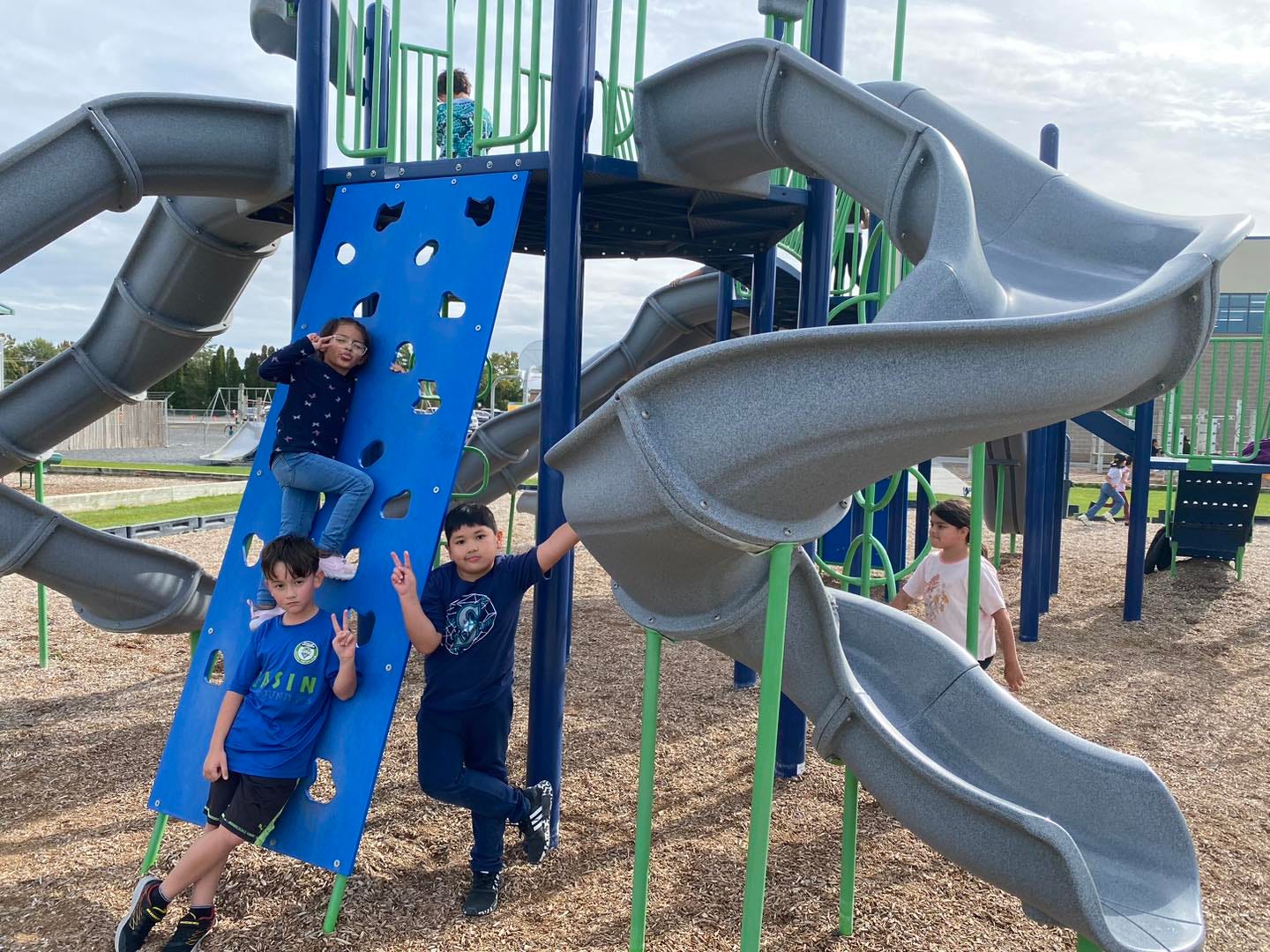
The school created designated activity zones across the playground so students could spread out and participate in different types of activities instead of crowding into a single space.
· A soccer area.
· Equipment zones.
· Indoor options later in the week.
Staff members are assigned to specific areas to help monitor activity and support students as they play.
One of the more creative ideas was the introduction of a “soccer contract.”
Students who want to participate in soccer agree to follow a set of expectations for safe play and sportsmanship. If those expectations are not followed, students may temporarily sit out before rejoining the game. If the problem persist, the student could lose the privilege for a longer time period or for good.
The approach reflects a concept often discussed in child development called autonomy development, giving students the ability to make choices while understanding the consequences of those choices.
Ramos said the idea resonated with students.
“They loved it,” he said, noting that the system helped make the space feel safer and opened the field to students who previously avoided playing.
The school also addressed another common source of playground conflict: equipment.
Classes now receive mesh bags filled with balls and playground equipment that they are responsible for bringing outside and returning after recess. The simple change has helped reduce arguments over shared equipment while adding a sense of responsibility for students.
Mountain View also added indoor recess options later in the week. On Wednesdays through Fridays, some students rotate through indoor zones in spaces like the library, music room, gym, and STEAM classroom. The rotation reduces crowding outside and gives students a variety of structured activities.
According to Ramos, the combination of zones, structure, and supervision has made a noticeable difference.
The school has seen fewer injuries and fewer behavior referrals tied to recess conflicts.
Just as the school has been looking closely at how students experience the classroom, the library, and the playground, Ramos said the next focus is strengthening the connection between school and home.
Support Systems Families May Not See
While playground improvements may be visible, many of the school’s support systems operate quietly behind the scenes.
Mountain View uses a combination of intervention blocks, teacher collaboration time, and multi-tiered support systems to identify students who may need extra help.
Teachers regularly meet in professional learning communities to review student data and discuss which students might benefit from additional support or intervention. Specialists, interventionists, and counselors are included in those discussions so students can receive targeted help when needed.
The school counselor also leads several small group programs that meet during lunch periods.
This is particularly powerful and important as most students in this age group are feeling, unbeknownst to them, the ramifications of lockdowns that happened during important developmental stages in their lives. Lockdowns created new and unique challenges in these areas that previous generations of kids did not have to face that our schools are having to respond to.
These groups focus on areas such as friendship skills, emotional regulation, attendance, and bullying awareness. Students participate based on need, and the goal is to provide support early before challenges grow larger.
Other groups help students develop social skills, learn how to manage frustration, or simply build stronger peer connections.
Ramos said these systems allow staff to respond proactively rather than waiting until problems escalate.
Strengthening the Bridge Between School and Home
Even with those systems in place, Ramos said one of the school’s biggest ongoing challenges remains family engagement.
Not because families don’t care, he emphasized, but because schools often struggle to communicate information in ways that feel clear and useful to parents, especially when it comes to things like attendance, academic reports, and assessment data.
“I think just getting more parents to be involved,” Ramos said, “is one of the biggest pieces we continue to work on.”
Like many schools across the state, Mountain View continues to see attendance challenges and varying levels of parent participation in school events and conferences.
Many parents want to help their children succeed, he said, but may not always understand how to interpret assessment reports, attendance data, or academic progress updates.
The school is exploring ways to address that gap by offering more opportunities for families to learn about how the system works and how they can support their children’s learning at home.
At the same time, the school has seen encouraging participation in several family events.
STEAM nights regularly draw large crowds, and the school recently hosted a literacy week that brought dozens of community members into classrooms to read with students. Thirty-two volunteers signed up to read during the event — and all thirty-two showed up.
Firefighters, parents, retired teachers, and high school students all participated, giving students a chance to see reading celebrated by people throughout the community.
Mountain View is also planning a family festival later this spring and has seen growing participation in its parent volunteer committee.

The Bigger Picture
School board reports often revolve around numbers; test scores, percentages, and charts that show whether students are moving up or down.
But what Ramos described at Mountain View Elementary was something a little harder to measure.
A library where students carry books through the hallway because they want to read them.
A playground that works better because expectations are clearer.
Teachers and counselors quietly working behind the scenes to make sure students don’t fall through the cracks.
None of those things show up neatly in a data chart.
But for the nearly 300 students who walk through the doors of Mountain View Elementary each morning, some stopping first at the library to see if their next book has come in, they are part of the everyday work of helping kids grow.