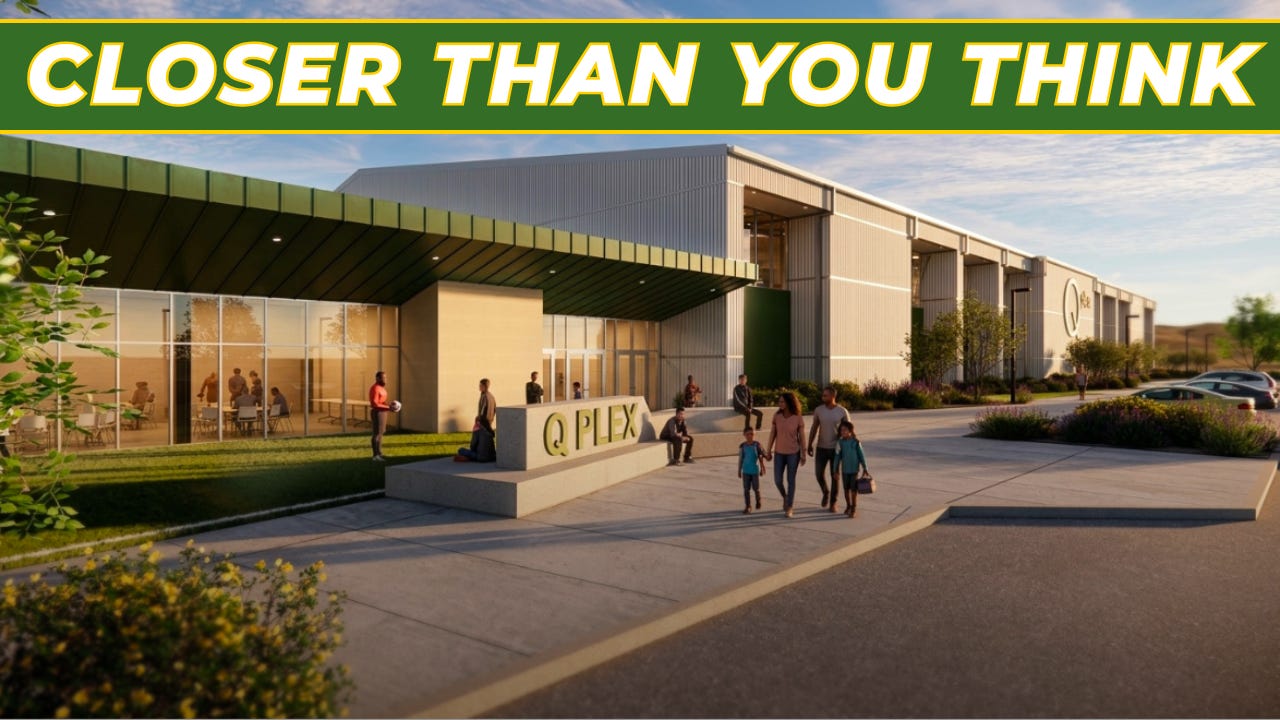
If you’ve lived in the 98848 for any length of time, chances are you’ve heard about the QPLEX.
You’ve probably heard about it more than once.
In fact, you’ve probably heard about it enough times that when another QPLEX story pops up, your first reaction might be, “That’s great, but wake me up when they start building it.”
I understand that feeling.
The QPLEX conversation has been going on for years. Long before I started covering meetings around Quincy, people were discussing what a facility like this could mean for the community. They were talking about youth sports, tournaments, community events, economic impact, recreation opportunities, and the possibility of creating something that could serve families across the region for generations.
That is why last week’s Quincy Valley Regional Parks District meeting was more important than it may have looked from the outside.
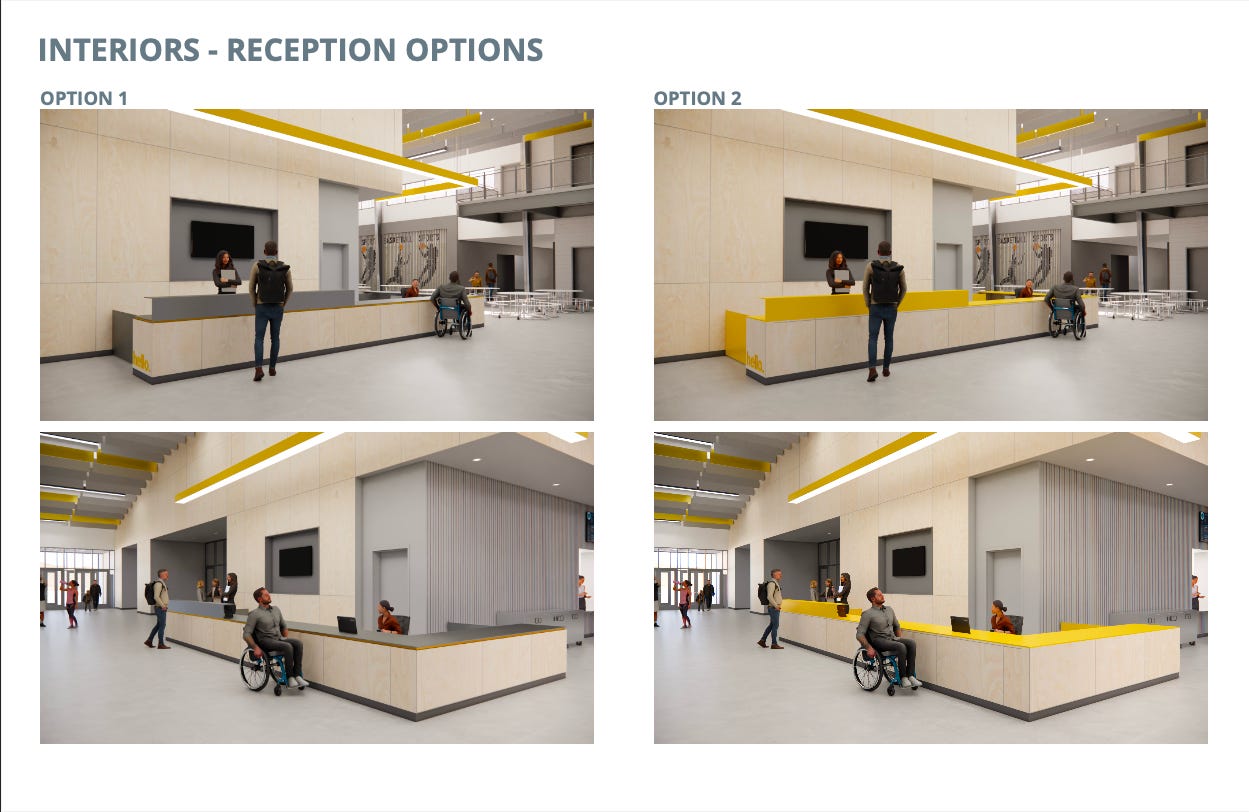
The meeting itself was not flashy. There were no major announcements. No funding breakthroughs. No dramatic votes. Most of the evening was spent discussing flooring samples, wall finishes, countertop materials, landscaping concepts, signage, colors, and tile selections.
Honestly, unless you’re really into architecture, construction, or facility maintenance, parts of the meeting were pretty boring.
But what those conversations represented was anything but boring.
For the first time in a long time, it felt like the board was working through the final details instead of the big ideas. After years of discussing what the QPLEX should be, the conversation has shifted toward what the QPLEX will actually look like when it is built.
That may sound like a small distinction.
It isn’t.

TL;DR
ALSC Architects traveled to Quincy to review final design materials and finishes with the Quincy Valley Regional Parks District Board.
Discussions focused on flooring, counters, wall treatments, landscaping, signage, colors, and long-term maintenance considerations.
The meeting signals the project is nearing completion of its architectural design phase.
Infrastructure projects connected to future QPLEX development are also beginning to move forward.
The facility is still likely several years away from opening, but multiple pieces of the project are advancing simultaneously.
The conversation has shifted from imagining the facility to defining the facility.
From Big Questions to Small Details
For years, the QPLEX conversation revolved around the big questions.
Where should it go?
What should it include?
How many courts should it have?
How many fields?
Should it support tournaments?
How can it serve local families?
Can it become a source of community pride?
Can it create economic opportunities for Quincy?
Those questions matter because they establish the purpose of a project. Before you can build something, you have to understand what it is supposed to accomplish.
The latest meeting looked completely different.
Representatives from ALSC Architects traveled to Quincy and spread design boards across the tables for board members to review. The boards contained flooring samples, wall finishes, tile selections, color palettes, countertop materials, landscaping concepts, and signage ideas. If you’ve ever watched a movie where architects gather around material boards trying to visualize the finished product, that’s exactly what it looked like.
The conversation was no longer about what should be inside the building.
The conversation was about what the finished building will feel like when people walk through the front door.
That’s a very different phase of the project.
This is The Part Most Communities Never See
One of the advantages of living in a small community is that people often get a chance to see how major projects actually come together.
Most projects don’t happen that way.
Most of the time, planning takes place quietly behind conference room doors. By the time the public notices a project, construction equipment has already arrived and dirt is already moving.
Think about Microsoft’s presence in Quincy.
When the community celebrated Microsoft’s 20th anniversary recently, it was easy to look around at facilities that now feel permanent. What most people never saw were the years of planning, engineering, studies, design reviews, permitting work, and infrastructure improvements that happened before construction ever started.
The QPLEX is going through that same process right now.
The difference is that the community has been watching it happen in real time.
People throughout the 98848 have been part of the conversation from the beginning. They’ve attended meetings, offered feedback, shared concerns, asked questions, and helped shape the vision. That level of visibility is unusual, and it can sometimes make a project feel like it is taking forever.
In reality, people are seeing all the work that normally happens out of sight.
Why Tile Matters More Than You Think
No, the future of Quincy does not depend on what color tile goes into a bathroom. Discussions on tile, counters tops, shrubberies and accents are not exciting for a lot of people in the 98848 or anywhere else unless you just love interior design and that’s okay.
But the discussion isn’t really about tile.
The discussion is about finalization.
Many of the conversations during the meeting focused on practical questions. How expensive will materials be to replace? How durable are they? How much replacement inventory should be kept on hand? If a wall gets damaged, can it be repaired quickly? How difficult will it be to maintain the facility twenty years from now?
Those questions matter because the QPLEX is being designed to serve the community for decades. The goal has never been to build something that looks impressive on opening day. The goal has been to build something that remains functional, affordable, and welcoming for years to come.
The board wasn’t simply choosing finishes. They were making decisions that will affect maintenance costs, operating budgets, durability, and user experience long after the ribbon-cutting ceremony is over.
Another Piece of the Puzzle is Already Moving
One thing that stood out to me during this meeting had nothing to do with flooring samples or landscaping plans.
It had to do with roads.
Because while the Parks District is working through the final architectural details, the City of Quincy is already moving forward on infrastructure projects that support future development in the same area.
Earlier this year, city officials discussed projects involving the extension and construction of R Street SW, T Street SW, and 10th Avenue SW that will improve access to the area where the QPLEX is planned. Those projects are intended to support future development and create access into the area south of Lauzier Park.
Maybe you haven’t connected those two conversations yet. But they are connected.
You can find out more about their road construction plans, we shared them last week in our story “Inside Quincy’s Six-Year Transportation Plan”. Maybe you didn’t know part of that story had to do with the QPLEX.
The future QPLEX site sits beyond the developed portions of Lauzier Park, behind the QIA property. Right now, there isn’t enough infrastructure in place to support construction of a project this size. Roads have to be built. Utilities have to be extended. Construction access has to be created.
The city isn’t waiting for the final rendering to start preparing.
While architects are finishing the design work, other pieces of the project are already beginning to move. That’s a significant development.


What This Means for the 98848
The QPLEX isn’t opening next year.
Construction isn’t starting tomorrow.
We’re still likely several years away from seeing families walk through the doors of the finished facility. Projects like this don’t suddenly become real, they become real one decision at a time.
Last week’s meeting represented dozens of those decisions.
It represented architects and board members working through the final details that stand between an idea and a completed design package. It represented years of planning beginning to narrow toward something concrete. It represented a project that is slowly but steadily moving closer to the point where construction becomes possible.
The Planning Phase is Starting to See the Finish Line
At the beginning of this story, I mentioned that many people have reached the point where they just want to see something happen.
That’s understandable.
After years of meetings and presentations, it can sometimes feel like the project is standing still. Sitting in the room last week, that wasn’t the feeling at all. The feeling was excitement.
Not because somebody found the perfect countertop material. Not because a landscaping plan was selected.
The excitement came from understanding what those decisions represented.
The board is no longer debating whether the QPLEX should exist or what should be inside of it. The board is working through the final details needed to bring the design phase to a close. At the same time, road projects and infrastructure planning are beginning to move forward around the future site.
That doesn’t mean construction starts tomorrow, but you will see the road work starting sometime this summer from what I understand.
It means the pieces are beginning to come together.
For our community here in the 98848, that has been talking about the QPLEX for years, that is a pretty good sign that the future facility is getting closer to reality than many people realize.
*All images in this story are created by ALSC Architects for the presentation and are conceptualized drawings for board review to give context when discussing materials and are subject to change before final design approvals